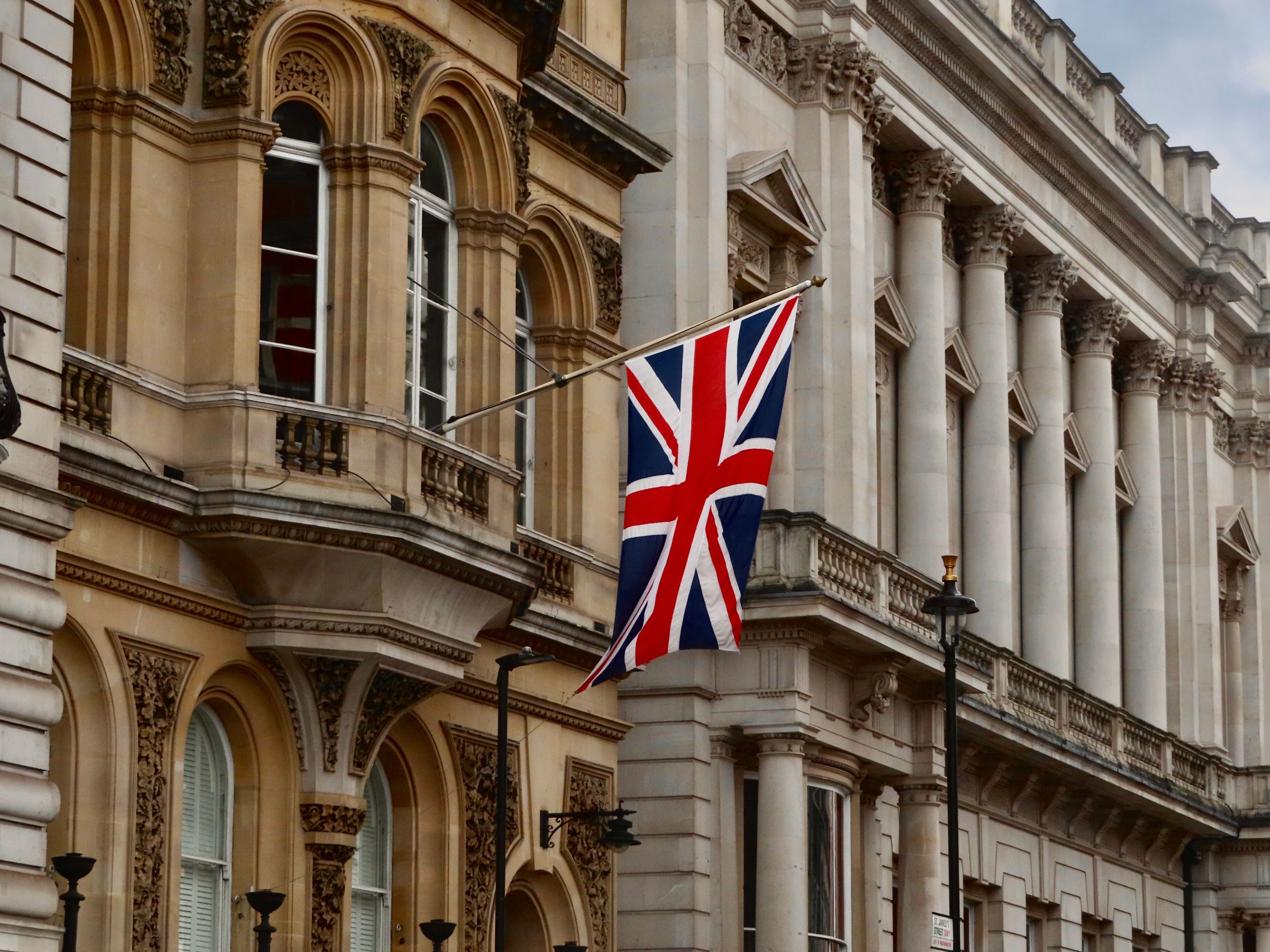
UK Says COP31 Draft Falls Short on Delivering Climate Action
London judges Antalya outcome weak on execution and sets its own delivery agenda
The UK Government has judged that the cover decision put forward by the COP31 Presidencies falls short of what the moment requires, and it is framing its response around delivery rather than declarations. In its published position on the outcome from Antalya, the government states that the proposed text moves negotiations backwards on the science at a time when the priority must be accelerating implementation, and that it compromised where bold collective ambition on climate action was needed.
The core of the UK’s critique is operational. The COP was convened to confront hard truths: that global warming is set to overshoot 1.5C, and that emissions must be cut with greater urgency, clean electrification accelerated, the transition away from fossil fuels delivered, and resilience to climate shocks built. Against that agenda, the UK argues the cover decision does not meet the test of execution. It says its responsibility is to protect and uphold the Paris Agreement, and its duty to protect communities across the UK, the Commonwealth and those most vulnerable to climate shocks.
Despite the disappointment with the final text, the government points to work that advanced on the ground in Antalya. It says it worked closely with partners from every region of the world and made progress on many issues, progress that was not reflected in the cover text to be issued at the close of the COP. That gap between what was achieved in the negotiating rooms and what made it into the final document is central to the UK’s account of the summit.
In the spirit of the implementation agenda, the UK has committed to a set of delivery priorities for the year ahead. These include working with partners to speed the transition away from fossil fuels and to protect forests, and cooperating on clean electrification across the world, delivering affordable power as a response to overshoot. On finance, the UK commits to a meaningful process on adaptation finance, one that clarifies the baseline, tracks implementation and improves access, an explicitly operational framing aimed at whether money actually reaches and moves.
Meanwhile, the UK also commits to working together to reform and uphold the integrity of the COP process itself, so that the negotiations can meaningfully deliver on the Paris Agreement and the change the world needs. Further commitments cover joint action to protect oceans, and support for mountain regions and glacier dependent communities facing the adverse effects of climate change.
The government presents these commitments as multilateralism put into practice rather than merely defended. It says this is how it demonstrates its commitment to multilateralism and puts it into action, and that it is firmly committed to driving forward action over the next year. The stated intention is to return to COP32 in Addis Ababa with advances made, stronger resolve and an improved COP process. The closing line of the position is blunt about the stakes: the UK says it has no choice but to do so.
Read as a delivery assessment, the statement is less a verdict on ambition than a verdict on execution. The UK acknowledges progress made with partners across regions, but argues the formal outcome failed to capture it and, in its view, weakened the scientific basis for action. Its response is to carry the unfinished work forward outside the cover text, with named areas of delivery, from fossil fuel transition and forests to adaptation finance, oceans and mountain and glacier dependent communities, and to press for a reformed COP process before the next summit in Addis Ababa. The measure of success it sets for itself is concrete: advances made, a better functioning process, and implementation accelerated when delegates return to COP32.
Q&A
Why does the UK judge the COP31 cover decision inadequate?
The UK argues the proposed text moves negotiations backwards on the science at a time when the priority is accelerating implementation, and that it compromised where bold collective ambition on climate action was needed, failing the test of execution against hard truths such as overshoot of 1.5C.
What delivery priorities has the UK committed to for the year ahead?
Working with partners to speed the transition away from fossil fuels and protect forests, cooperating on clean electrification to deliver affordable power, a meaningful adaptation finance process that clarifies the baseline, tracks implementation and improves access, joint action to protect oceans, and support for mountain regions and glacier dependent communities.
What gap does the UK identify between the summit's work and its outcome?
The UK says it worked closely with partners from every region and made progress on many issues in Antalya, but that progress was not reflected in the cover text issued at the close of the COP.
What does the UK aim to bring to COP32 in Addis Ababa?
Advances made, stronger resolve and an improved COP process, alongside work to reform and uphold the integrity of the COP process so negotiations can meaningfully deliver on the Paris Agreement.