Brazil's runoff becomes a live market event for investors
Runoff tightness puts trade ties and Brasilia's Africa footprint in play
Flavio Bolsonaro’s 47% first-round showing on October 4 has turned a possible Bolsonaro presidency in Brazil from a distant scenario into a live market event, with consequences reaching as far as Pretoria. The incumbent, Luiz Inácio Lula da Silva, took 45.2%, with the remaining candidates polling between 0.01% and 2.9% each. The runoff is scheduled for October 25.
The stakes for investors and operators on both sides of the Atlantic are considerable. Since 1989, no Brazilian candidate who finished second in the first round has gone on to win the runoff. If the smaller candidates’ votes break toward Bolsonaro, as some expect, Lula is out, and Brazil will have another Bolsonaro in the presidential palace from January 2027. That would leave Uruguay as the only country in South America governed by the left.
For Lula, the numbers are grim. Yet the tightness of the margin is the one variable that keeps the outcome genuinely uncertain: never before has the gap between first and second place been this narrow, which makes predictions based on historical runoff patterns less reliable than they would otherwise be. Lula, who turns 81 on October 27, has survived a shoeshine boy’s start, a factory accident that cost him a finger, prison stints for union activism and corruption convictions later overturned. Whether he can engineer one more improbable comeback is the question markets and diplomats alike are now pricing in.
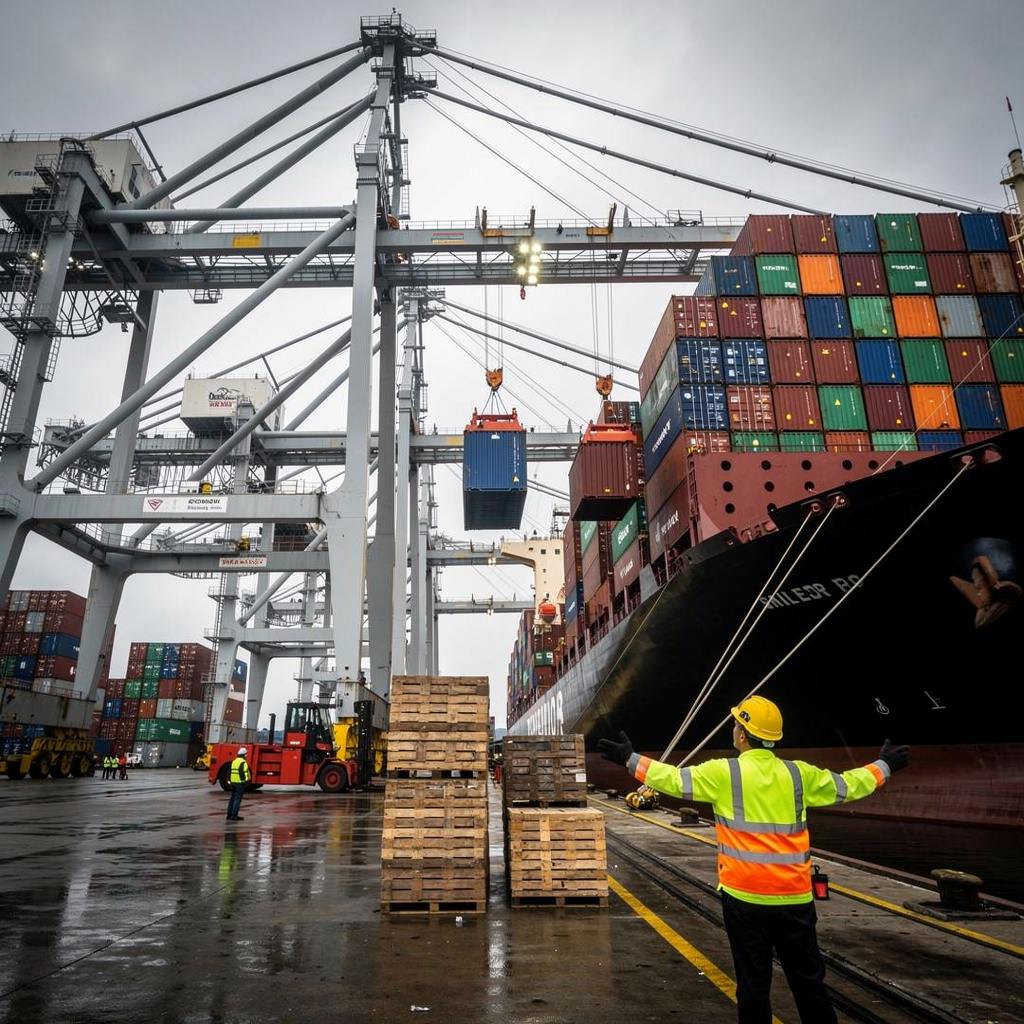
The commercial dimension of a handover is where South African interests sit. Brazilian companies currently export billions of dollars of goods to Africa, and some of Brazil’s biggest firms are heavily invested in the continent, a footprint built largely under Lula. Business logic suggests none of that investment will be withdrawn simply because Brasilia realigns with Washington under President Donald Trump, though Brazilian firms would certainly welcome the reopening of doors to the US market. The Folha de S.Paulo newspaper has reported that Bolsonaro is considering creating “super post” embassies in Pretoria and Cairo, a signal that Africa would retain diplomatic weight even under a government less ideologically aligned with Pretoria than Lula’s has been.
That alignment, however, cuts both ways. The persistent critique of Lula’s African policy is that it favoured Brazilian businesses over African ones, and there is little expectation that a Bolsonaro administration would suddenly open Brazilian markets to South African exporters. The comparison matters: South Africa exports substantially more to the US and EU than to Brazil, which is why the columnist argues Pretoria should think carefully before burning bridges with Western trading partners in favour of deeper ties with Brasilia.
Personnel questions compound the uncertainty. Eduardo Bolsonaro, Flavio’s brother, is tipped to become foreign minister in a Bolsonaro government, and he has made clear he plans a clean sweep of the ministry, exacting revenge on ambassadors and diplomats he views as having supported Lula. All ambassadors who took up posts during this Lula term will be scrutinised for whether they “sabotaged” Jair Bolsonaro’s government. Luiz Alberto Figueiredo, Brazil’s ambassador in Madrid, has been mentioned as one who might contemplate immediate retirement. For Brazilian diplomats posted in South Africa, the arithmetic of exit is at least manageable: with a pension of as little as R37,000 a month, they may qualify for permanent residence there.
Meanwhile, the campaign itself has been shadowed by financial scandal. Daniel Vorcaro, an arrested banker to whom much of Brazil’s elite appears indebted in some way, is alleged in several reports to have committed the largest bank fraud in the country’s history. The details are lurid, involving a party at an upmarket São Paulo nightclub called Madame Satan, with Swiss call girls reportedly flown in so they would not understand the Portuguese discussions. A public spat among Supreme Court justices, broadcast online and on TV, followed. Justice André Mendonça, appointed by Jair Bolsonaro, accused his colleague Alexandre de Moraes of being in Vorcaro’s pocket, and was himself promptly revealed to have won millions of reais in untendered government contracts through an institute he helped set up. Mendonça denies any wrongdoing or personal benefit. The accusation was damaging for Lula because it was Moraes who imprisoned Bolsonaro Snr, and calls for Moraes’ impeachment could well succeed under a Bolsonaro Jnr presidency. Flavio’s own recorded request for Vorcaro to bankroll a controversial biopic of his father has drawn far less outrage from Bolsonaro supporters.
Whatever the outcome on October 25, the commercial message for South Africa is that a Bolsonaro presidency will not be conciliatory, and that the value of Lula’s Brazil-Africa legacy, real as it was, always accrued more to Brazilian firms than to African ones. Whether Pretoria recalibrates its trade posture before or after the runoff may prove the more consequential question.
Q&A
What were the first-round results and when is the runoff?
Flavio Bolsonaro took 47% on October 4, Luiz Inácio Lula da Silva took 45.2%, and remaining candidates polled between 0.01% and 2.9%. The runoff is scheduled for October 25.
What is at stake commercially for South Africa?
Brazilian firms heavily invested in Africa are unlikely to withdraw, but Lula's Africa policy favored Brazilian businesses over African ones, and a Bolsonaro administration is not expected to open Brazilian markets to South African exporters. South Africa exports substantially more to the US and EU than to Brazil.
What personnel changes are expected at Brazil's foreign ministry under Bolsonaro?
Eduardo Bolsonaro is tipped to become foreign minister and plans a clean sweep, scrutinising ambassadors who took up posts during this Lula term for whether they 'sabotaged' Jair Bolsonaro's government. Ambassador Luiz Alberto Figueiredo in Madrid has been mentioned as possibly retiring immediately.
What financial scandal has shadowed the campaign?
Arrested banker Daniel Vorcaro is alleged to have committed the largest bank fraud in Brazil's history. Justice André Mendonça accused Justice Alexandre de Moraes of being in Vorcaro's pocket, and Mendonça was himself revealed to have won millions of reais in untendered government contracts through an institute he helped set up; he denies wrongdoing.