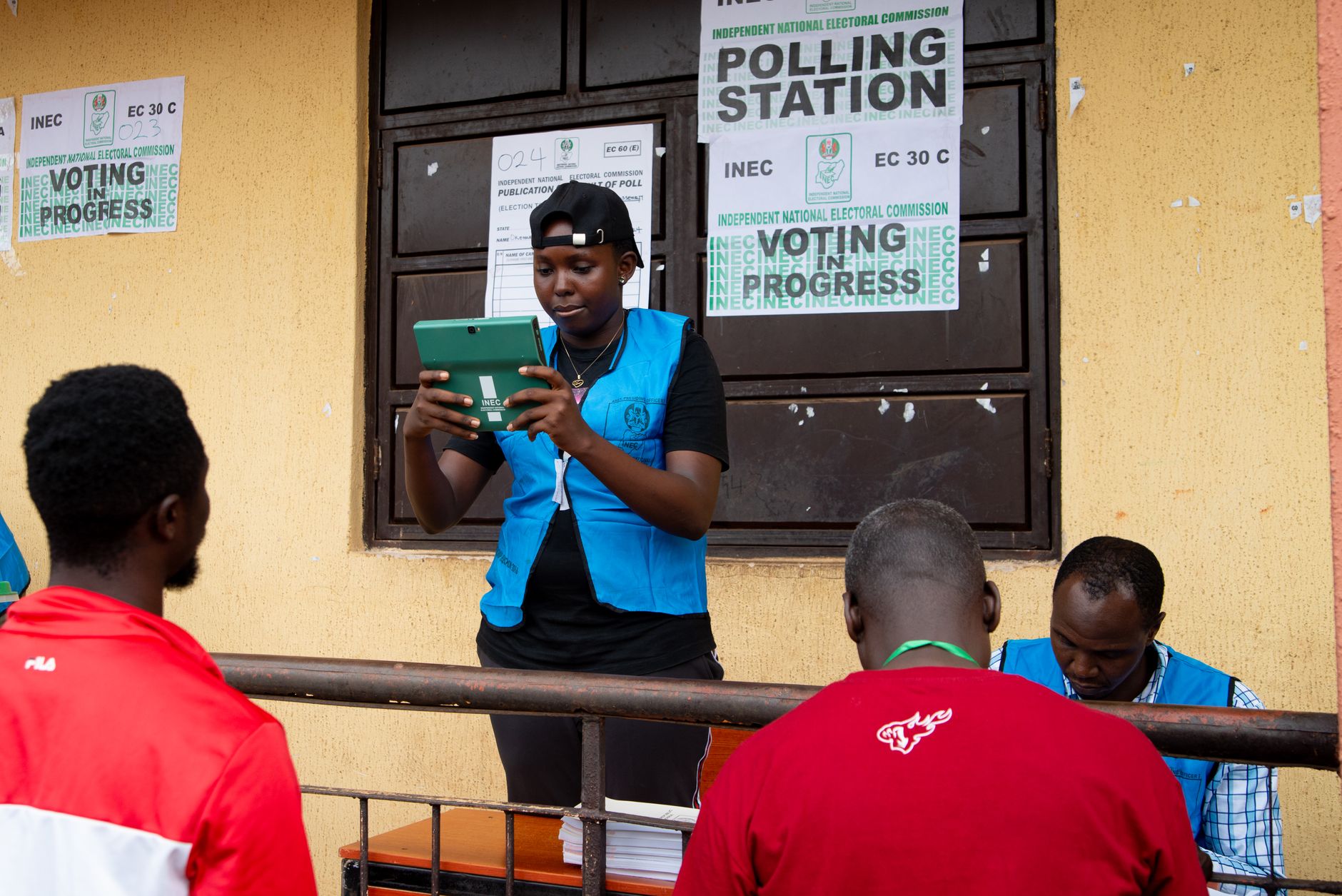
Voters heading to the polls in the upcoming municipal elections are watching a legal fight unfold that could shape how their ballots translate into seats on their local councils. At the centre of the dispute is a question that goes directly to the public’s ability to know who will represent them: whether political parties that submitted single-candidate proportional representation lists are being upfront with the people who vote for them.
The Electoral Commission of South Africa (IEC) has told the Electoral Court that the Democratic Alliance’s (DA) case against four such parties is meritless and opportunistic. In an affidavit filed with the court, Chief Electoral Officer Sy Mamabolo was blunt. “The commission is firmly of the view that the DA’s case is without merit in law. Many of the arguments made by the DA are factually opportunistic and legally specious,” he said.
The DA alleges that the Economic Freedom Fighters (EFF), uMkhonto weSizwe Party (MKP), ActionSA, and Good are deceiving voters and circumventing the law by not declaring upfront who would take up the parties’ seats in municipal councils. For citizens, the concern is straightforward. When a vote is cast for a party, the voter cannot see in advance which individuals will ultimately occupy the seats that vote helps to win.
Meanwhile, the commission has opposed the application in so far as the DA suggests that it breached the law in certifying these single-candidate lists. Mamabolo made clear in his affidavit that the commission did not favour either side of the case as responded to by the political parties cited. It was not for the commission, he said, to question the motives of parties that had only named one candidate on their proportional representation lists, and the DA’s political motives were legally irrelevant to the validity of the lists.
Two of the parties involved have offered their own explanation to the court. ActionSA and Good said they planned to award their proportional seats to candidates who were unsuccessful in the wards they were contesting, but had still performed well for the party. That practice, whatever a voter may make of it, is what the court will now weigh against the DA’s claims.
The commission has also set out how it intends to treat all parties equally in the matter. It said it would apply equally across all political parties the sections of the Local Government: Municipal Structures Act allowing parties to supplement their lists after the election if they attained more seats than they had listed candidates to fill. Mamabolo added that the commission was not in favour of reopening the list process as suggested by the DA.
Beyond the legal arguments, the commission has sounded a warning about what the DA’s requested remedy could mean for the election itself. Mamabolo said the relief sought by the DA would be disruptive and put the integrity of the elections at risk. For the public, that framing shifts the stakes from a contest between political parties to a question of whether the municipal polls can proceed on a stable footing.
The case leaves citizens waiting on a court that must balance two competing public interests: transparency about who will sit in municipal councils, and the smooth administration of an election that voters rely on to hold local government to account. The commission’s position is that the law already provides the necessary framework, and that the DA’s challenge rests on arguments that are, in its view, legally unsound. The court’s ruling will determine whether voters go to the polls under the rules as certified, or under a process reopened at the DA’s request.