Matric dances go public: what South Africa's growing rite of passage means for its youth
Escalating costs and social media pressure reshape a school tradition for learners and families
For most South African parents, “matric dance” once meant a decorated school hall, a hired DJ, and a curfew negotiation about the after-party. That memory belongs to another era. What was once a modest rite of passage marking the end of twelve years of schooling has grown into a public spectacle, and its evolution matters most for what it reveals about the pressures facing young people and their families today.
The scale of the modern season tells part of the story. Months of planning now precede the event. Professional glam teams handle hair and makeup. Car convoys deliver learners to venues, and some families commission full video productions. For families on tighter budgets, this escalation raises a real question of access: can every learner still take part in a tradition that increasingly demands money most households do not have to spare.
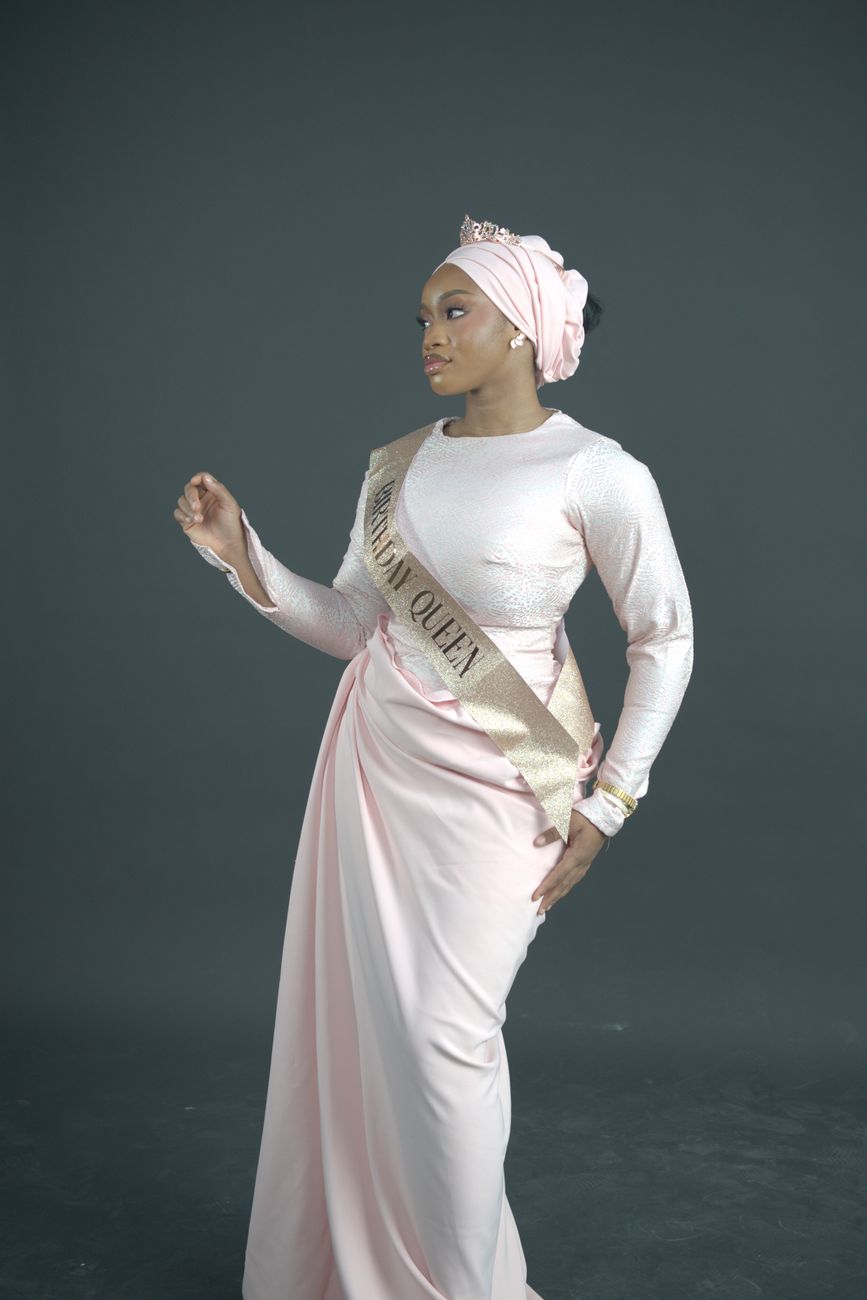
Much of this shift owes its reach to social media, which has changed how young people experience the evening itself. A matric dance used to be a night to remember. Now it is a night to document. Getting-ready videos, staged outfit reveals, entrance clips shot for the camera, and professional portraits have folded themselves into the standard experience. Watching someone else’s matric dance unfold online has become entertainment for classmates, relatives and strangers alike.
Even the guest list has entered public territory. It is no longer unusual for matriculants to invite celebrities and influencers as dates, turning the traditional plus-one into a potential headline. One case captured national attention in 2025, when Mollwane Madiba, known as Mo, ran a six-month campaign asking singer Tyla to be his date. The Grammy-winning artist flew to South Africa to surprise him at his dance.
The traffic between learners and famous faces now runs both ways. South African artists have begun answering the frenzy themselves, publicly offering to accompany learners to their dances. Ch’cco is one example of a growing list of public figures stepping into what was once a purely local affair between classmates.
Yet size and star power are not the whole story, and this is where the season’s meaning for ordinary learners comes into sharper focus. Alongside those chasing spectacle, some matriculants are deliberately pushing back against the glamour expectations now attached to the day.
A recent illustration: a learner who shaved her head entirely before attending her dance, arriving without a strand of hair. Her timing gave the act extra force. In a season where elaborate hairstyles, extensions and wigs can matter almost as much as the gown, removing every trace of styling made her bare head the boldest element of her look. Nothing had been added. Everything conventional had been subtracted, and the result spoke for itself.
Online response followed quickly. Commenters said she resembled a future Miss South Africa and urged her toward modelling. But beyond the reaction, her choice makes a broader point relevant to any learner feeling pressure this season: standing out does not require spending more, dressing bigger, or recruiting a celebrity escort. Sometimes it requires doing the unexpected instead.
That tension sits at the heart of matric dance culture today. On one side, escalating displays of budget, fame and documentation raise the bar each year. On the other, individual learners are quietly redefining the terms, proving that personal expression still has room to breathe even inside a spectacle-driven environment. Whether the trend keeps tilting toward extravagance, or swings back toward something simpler and more accessible for ordinary families, remains an open question for the matrics still to come.
Q&A
How have matric dances changed from what they once were?
Months of planning, professional glam teams for hair and makeup, car convoys to venues, and in some cases full commissioned video productions have turned a modest rite of passage into a costly public spectacle.
Why does the trend raise access concerns for families?
The escalation demands money many households do not have to spare, raising a real question of whether every learner can still take part in the tradition.
What role have celebrities played in matric dance season?
In 2025, Mollwane Madiba, known as Mo, ran a six-month campaign asking singer Tyla to be his date, and the Grammy-winning artist flew to South Africa to surprise him at his dance.
How are some learners pushing back against the glamour expectations?
One learner shaved her head entirely before attending her dance, subtracting every conventional element of styling and showing that standing out does not require spending more or recruiting a celebrity escort.