Succession Crisis Looms as Millions of South African Small Businesses Lack Transition Plan
Aging business owners threaten jobs and economic stability across South Africa's enterprise sector
South Africa’s 2.67 million small and medium-sized enterprises employ a significant share of the country’s workforce, yet a quiet crisis is building inside many of them. Their founders are aging, and most have no plan for what happens next.
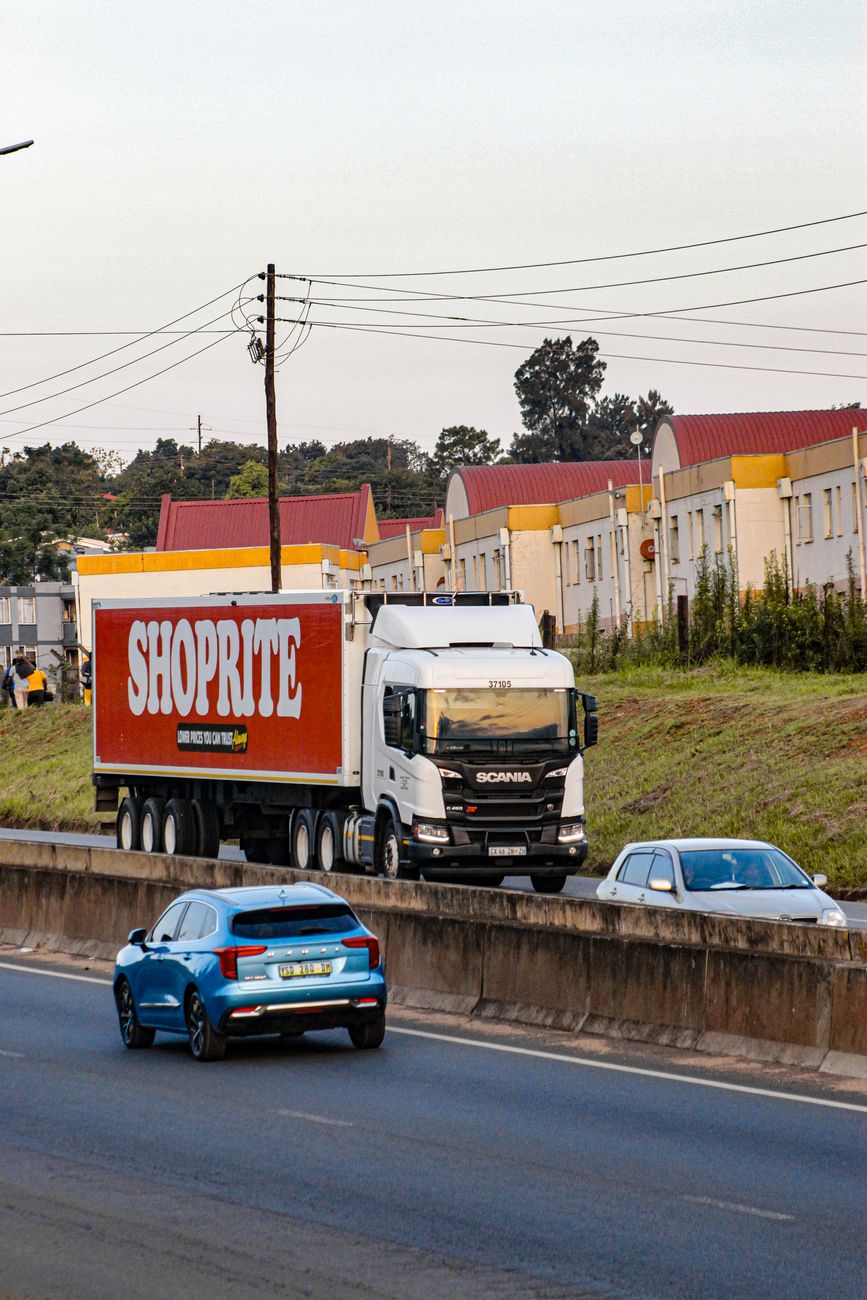
Research commissioned by the Shoprite Group from World Wide Worx in 2025 found that more than a third of SMME owners surveyed were aged between 45 and 54, while almost a quarter were between 55 and 64. For most of these businesses, succession planning is not a distant conversation. It is overdue.
The problem runs deeper than retirement timing. When a founder departs, the institutional knowledge, customer relationships, supplier networks and brand story often vanish with them. South Africa cannot afford to keep starting from scratch. The nation loses not only successful enterprises but also decades of accumulated economic capital, the jobs, skills and established relationships that took years to develop.
Consider Woolworths, which this year celebrated 95 years in operation. The brand has woven itself into the lives of generations of South Africans, accumulating customers who trust it, suppliers who know it, employees who understand it, and a reputation built across nearly a century. None of that can be replicated overnight. If Woolworths had suddenly disappeared from malls because there was no plan after its founder moved on, South Africa would have lost not only a successful brand but also decades of accumulated economic capital.
The distinction between building a successful company and building one that can continue without you is crucial. The first requires entrepreneurial drive. The second requires institutional thinking. South Africa needs both, yet the country tends to measure entrepreneurial success by counting how many businesses were launched, registered and funded. Real transformation should eventually mean creating second- and third-generation businesses, not merely first-generation entrepreneurs.
This does not necessarily mean handing a company to a son, daughter or relative. It means building businesses that are strong, structured and valuable enough to outlive the person who started them, perhaps even becoming part of a country’s heritage. The knowledge of why the business exists, what it stands for, how it built trust, why customers return, how decisions are made and what makes it different are all part of the business story. Usually that heritage lives almost entirely inside the founder. When the founder leaves, so does the story.
SMEs must start thinking about brand heritage as deliberately as they think about their balance sheet. By documenting history, capturing institutional knowledge, formalising relationships and processes, and protecting intellectual property, businesses can develop leaders who operate without the founder and create brands that belong to the business rather than to one individual. Entrepreneurs need to start thinking about ownership and leadership transitions while there is still time to get them right, which involves asking uncomfortable questions much earlier than most expect.
Meanwhile, the way South Africa defines economic transformation also needs to broaden. Currently, the focus is on how many people enter entrepreneurship. Yet approximately 90 percent of small businesses are estimated to fail within their first 10 years. Longevity is an economic achievement in its own right. The question should be how many businesses survive long enough to employ a second generation of workers, develop new leaders, retain customers, build lasting supplier relationships and continue contributing to their communities.
There is a multiplier effect in longevity. When a business survives, the economic value, knowledge and opportunities it has accumulated continue to grow, meaning the next entrepreneur does not have to build everything from scratch. That is how economies accumulate wealth across generations.
Heritage Month offers a useful reminder that legacy is not only about looking backwards. It is about deciding what is worth carrying forward. The greatest measure of entrepreneurial success may not be the business you create in your lifetime, but whether that business is still creating value, still employing people, still serving communities, long after you have left it.
Q&A
How many small and medium-sized enterprises operate in South Africa and what percentage of owners lack succession plans?
South Africa has 2.67 million SMEs. Research commissioned by Shoprite Group found that more than one-third of SMME owners surveyed were aged 45-54 and almost a quarter were 55-64, indicating most lack formal succession planning.
What specific assets and relationships do businesses lose when founders depart without a transition plan?
When a founder departs, businesses lose institutional knowledge, customer relationships, supplier networks and brand story. These accumulated assets took years to develop and cannot be replicated overnight.
What is the difference between building a successful company and building one that survives without its founder?
Building a successful company requires entrepreneurial drive. Building one that continues without the founder requires institutional thinking: documenting history, capturing knowledge, formalizing relationships and processes, and protecting intellectual property.
How should South Africa redefine economic transformation to address the succession crisis?
Rather than measuring success only by how many people enter entrepreneurship, South Africa should measure longevity as an economic achievement. The focus should shift to how many businesses survive long enough to employ second-generation workers, develop new leaders and continue contributing to communities.