Millions in Southern Africa Set to Access Cheaper Medicines, Fuel Under India Trade Deal
Regional trade framework aims to reduce costs for consumers and public health services across Southern Africa.
Citizens across South Africa and five neighboring countries stand to gain broader access to pharmaceuticals, vehicles, and refined fuel under a new trade framework that India and the Southern African Customs Union signed on 12 August 2026 in New Delhi. The Terms of Reference, agreed to begin negotiating a preferential trade agreement, aim to lower tariffs and widen market access for ordinary consumers and businesses across South Africa, Botswana, Lesotho, Eswatini and Namibia.
The foundation for this partnership runs deeper than recent market trends. India and South Africa share a history rooted in solidarity and mutual struggle. Mahatma Gandhi spent twenty-one years in South Africa before leading India’s independence movement, developing the philosophy of civil resistance in Johannesburg and Durban that would later shape South Africa’s own resistance to apartheid. That legacy of principled support was reinforced in 1946, when India became the first country to sever trade relations with South Africa in protest of apartheid, choosing political solidarity over access to the nation’s mineral wealth. The Red Fort Declaration of 1997 later formalized this history into a strategic partnership between the two democracies, followed by India’s entry into BRICS alongside South Africa in 2010.
Today, that accumulated trust is translating into concrete economic action.
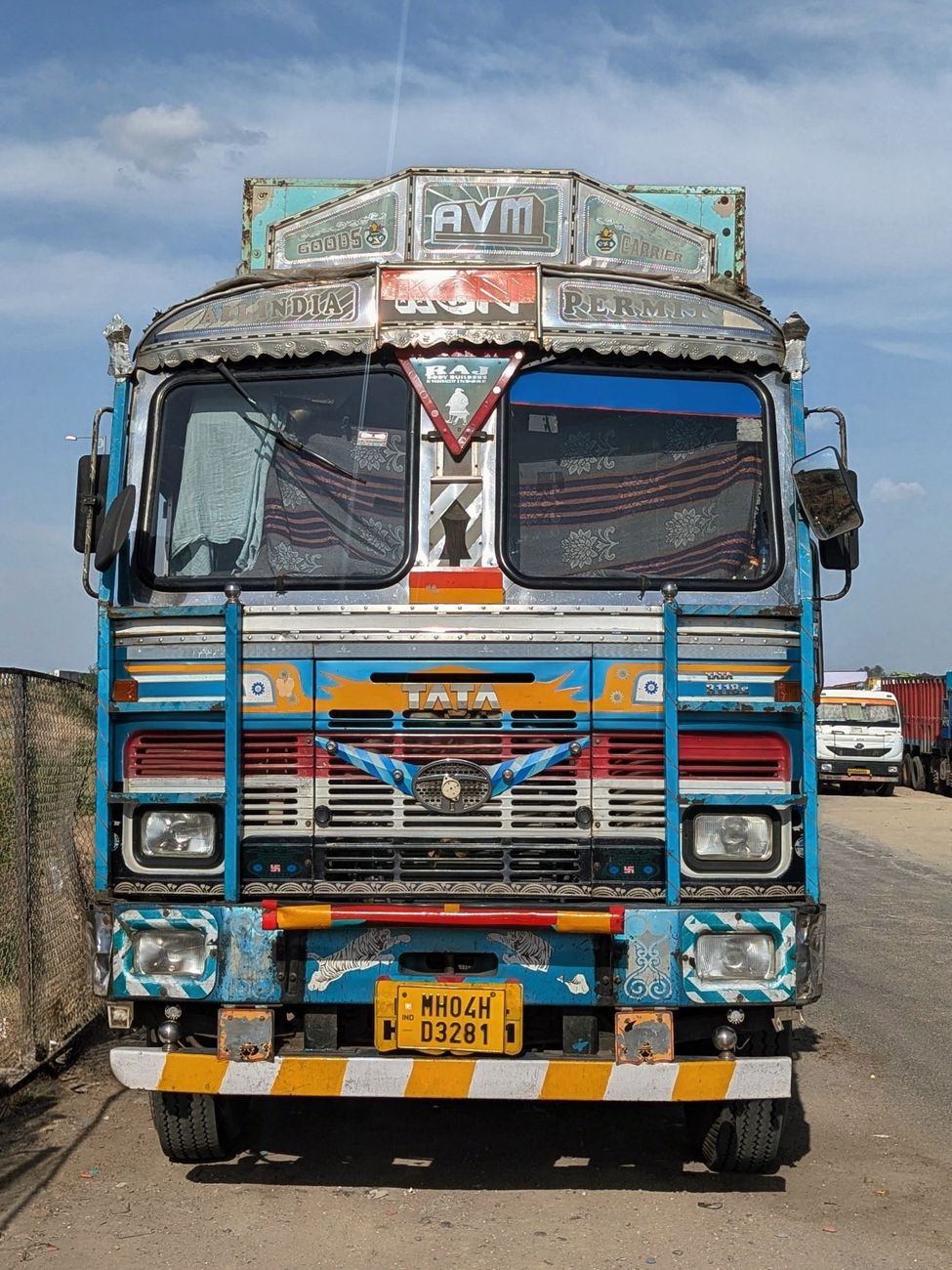
The everyday stakes are significant. South Africa currently imports refined fuel, vehicles and pharmaceuticals from India, goods that reach households and clinics across the country. A preferential agreement reducing tariffs on these imports could ease costs for consumers and public health services alike. Meanwhile, South African exports of coal, precious metals and mineral fuels to India support jobs and government revenues that fund public services at home.
The economic case for deeper integration is compelling. Bilateral trade has grown from approximately $8 billion to $18 billion in recent years, with both governments targeting $40 billion within the decade. South Africa holds the world’s largest reserves of platinum group metals and among the largest reserves of manganese and chrome, all critical inputs for clean energy, electric vehicle and hydrogen supply chains that every major economy is now competing to secure. India has developed globally significant capacity in generic pharmaceutical manufacturing, digital public infrastructure and large-scale project execution. Each economy possesses resources and capabilities the other requires.
The commercial infrastructure to support expansion already exists. South Africa is home to Africa’s largest Indian diaspora, numbering roughly 1.2 million people, or about 3% of the population, anchoring commercial and cultural ties that span more than a century. Close to 140 Indian companies currently operate in South Africa, including Tata Motors, Wipro and Coal India, collectively employing more than 18,000 people. South African firms including Sanlam, Sasol and FirstRand maintain established operations in India. This existing business presence means the trust, knowledge and relationships required to scale operations are already in place.
South Africa’s role as anchor economy within the African Continental Free Trade Agreement adds broader public significance to the deal. For the 1.3 billion people across the African continent, South Africa represents the most credible gateway through which a deepened India partnership could eventually extend. For South Africans specifically, the agreement positions their country as a hub rather than a peripheral market, with consequences for employment, infrastructure investment and access to goods over the coming decade.
The timing aligns with India’s 2026 BRICS chairship, which carries the mandate of building for resilience, innovation, cooperation and sustainability. The India-South Africa Business Conclave held alongside the BRICS Summit provided an early platform, with sessions addressing mining and energy, infrastructure and tourism, agriculture and healthcare, and digital transformation. Healthcare and agriculture, in particular, carry direct relevance for public wellbeing on both sides.
What distinguishes this moment from previous efforts is the convergence of three factors: an active negotiating mandate, a global stage provided by India’s BRICS leadership, and a South African economy positioned to make a compelling investment case. Eight decades of accumulated political trust now have a formal mechanism behind them.
The open question is how quickly negotiators can convert that mandate into binding agreements, and whether the sectors most relevant to citizens, healthcare, food security and affordable energy, will be prioritized before the political window closes.
Q&A
Which countries are included in the new trade agreement framework signed in August 2026?
South Africa, Botswana, Lesotho, Eswatini and Namibia signed the Terms of Reference with India on August 12, 2026, in New Delhi to negotiate a preferential trade agreement.
What goods are expected to become more affordable for consumers and public services under this deal?
Pharmaceuticals, refined fuel and vehicles are the primary goods targeted for tariff reduction, with healthcare and agriculture identified as sectors carrying direct relevance for public wellbeing.
How does South Africa's position within African trade structures affect the significance of this agreement?
South Africa serves as the anchor economy within the African Continental Free Trade Agreement, positioning it as a gateway through which the India partnership could eventually extend benefits to 1.3 billion people across the African continent.
What historical foundation supports the India-Southern Africa trade partnership?
The partnership is rooted in decades of political solidarity, including India's 1946 decision to sever trade relations with South Africa in protest of apartheid, formalized through the 1997 Red Fort Declaration and India's 2010 entry into BRICS alongside South Africa.