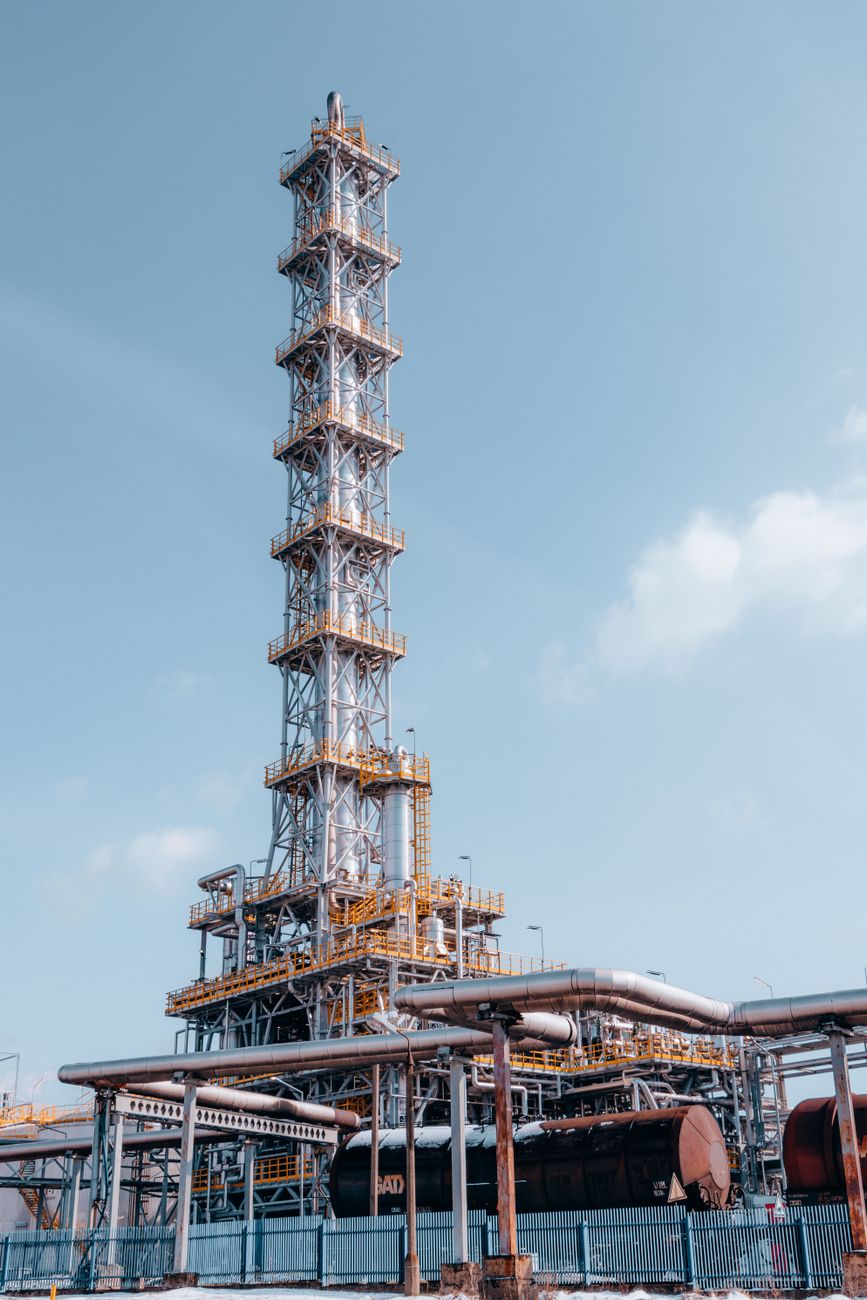
Ordinary Africans will be able to buy into one of the continent’s most significant industrial assets for as little as $4, when Aliko Dangote takes his privately held oil refinery public on Monday, September 14. Analysts expect the listing to be the largest initial public offering in African history.
The offering structure is unusually accessible. Dangote is making available 4.1 billion shares, representing 3.3% of the company, priced at 40 cents each (525 Nigerian Naira). The minimum purchase requirement stands at just 10 shares. That low floor distinguishes this from typical large-scale IPOs, which routinely demand substantially larger initial commitments, and broadens potential participation across income levels within Nigeria and across the continent. The subscription period runs through October 13, with trading expected to begin on the Nigerian Stock Exchange in November.
The scale of the undertaking has already reshaped Dangote’s schedule. He recently disclosed to Forbes that the timing remained uncertain until late in the planning process, forcing him to cancel attendance at an investment summit in Canada where he had committed to meet with Prime Minister Mark Carney. The IPO, in his view, could not be postponed.
Dangote frames the share offering as part of a broader wealth-creation agenda. He emphasizes that opening the refinery to public shareholders reflects a deliberate strategy to build prosperity among African citizens and investors. “Selling these shares now is us making sure that we create wealth for other people,” he explained to Forbes. “Just like what Amazon and Microsoft have done. That kind of thing but for an African company.”
That framing carries particular weight given global wealth distribution patterns. According to the 2026 UBS Global Wealth Report, Africa holds the smallest share of global wealth relative to its population and economic potential. Dangote’s characterization of the IPO positions it as a mechanism for narrowing that gap by enabling local ownership of a major continental enterprise.
The refinery itself is a substantial industrial undertaking. Dangote, whose primary wealth base has centered on cement manufacturing, expanded into energy production with this facility. Converting it into a publicly traded entity signals confidence in the asset’s performance while simultaneously opening ownership to citizens who have never before had access to it.
Meanwhile, the November trading launch will mark a consequential moment for the Nigerian Stock Exchange and for continental capital markets more broadly. How the refinery performs as a publicly traded entity will likely shape investor sentiment toward other major African industrial assets, and may encourage similar public-offering strategies among other large continental enterprises.
Dangote’s personal wealth has now surpassed $50 billion, according to Forbes Africa. His willingness to open a flagship asset to public ownership, while retaining control, reflects both confidence in the business and a particular vision for how African wealth creation might evolve. Whether the November debut draws the broad retail participation the pricing structure invites remains the open question.