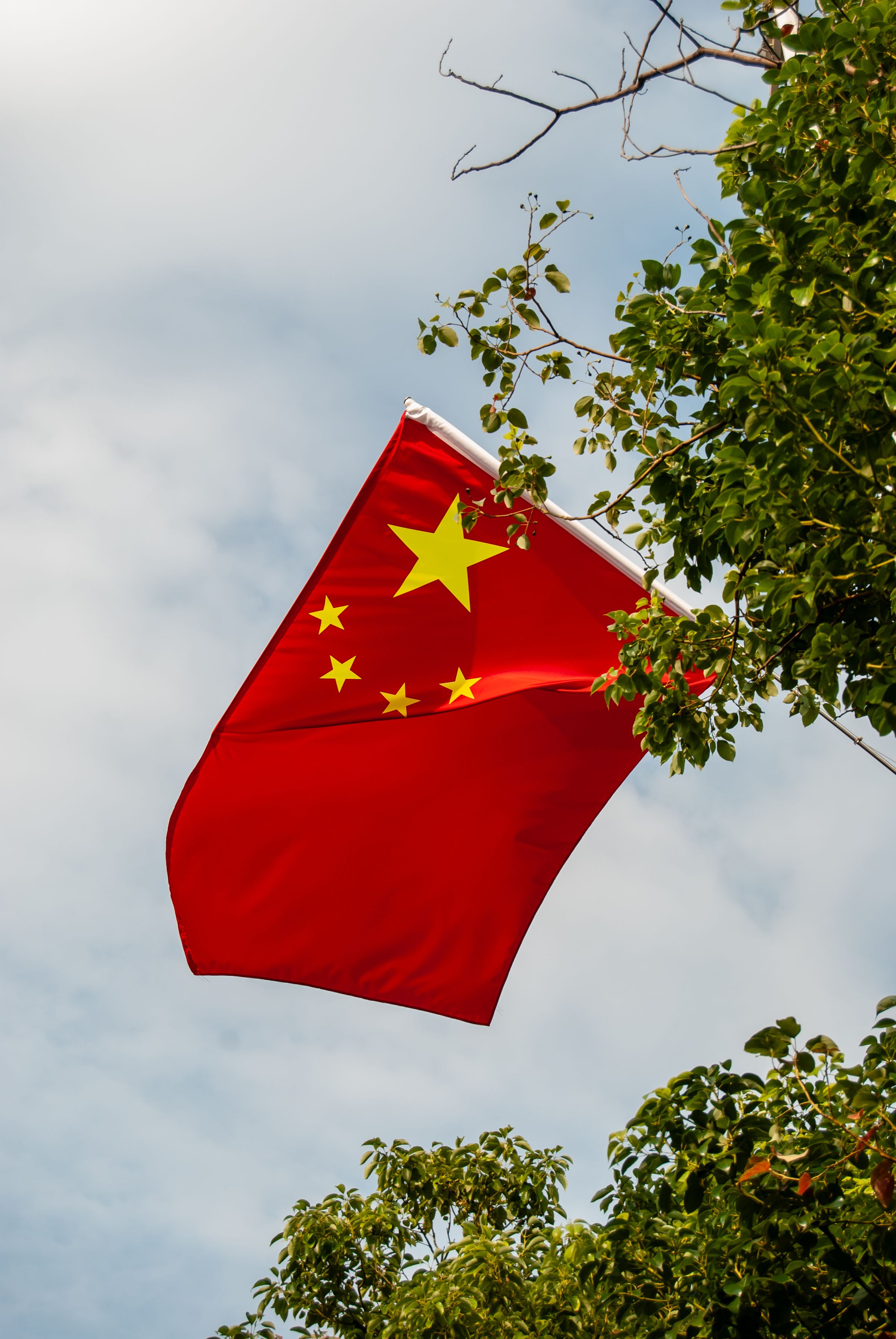
Sierra Leone and China used a business forum in Freetown this month to line up concrete projects for a regional investment summit, with officials from both sides framing the meeting around what can actually be built, financed and delivered across West Africa.
The China-West Africa dialogue on investment and industrialisation took place on 13 November, according to a statement from the Embassy of the People’s Republic of China in Sierra Leone. It was billed as the first high-level side event of the 2026 West Africa Integration and Investment Summit, and its stated purpose was to prepare a pipeline of projects ahead of that gathering. No signed agreement came out of it. The embassy announced no specific deals and no investment figures, leaving the Freetown dialogue as an early step in project preparation rather than a moment of delivery in itself.
More than 100 people took part, the embassy said. Among them were Sierra Leonean officials, Chinese and Sierra Leonean companies, the ECOWAS Commission, the Mano River Union and the China-Africa Development Fund. China was represented by Zhang Dianbin, its chargé d’affaires, and Wang Peng, the embassy’s commercial counsellor.
On the Sierra Leonean side, Kandeh Yumkella, the country’s special envoy for the summit, spoke alongside the ministers of trade and industry, mines and mineral resources, and fisheries, a deputy agriculture minister and the head of the National Investment Commission, according to the statement.
The discussion centred on execution. The Chinese side said it would act in a “market-based and law-based manner” and would support Sierra Leone’s efforts to move up industrial value chains, along with industrialisation across West Africa. African representatives, for their part, said they wanted more Chinese investment in mining, infrastructure, energy, agriculture and fisheries, and they pledged to maintain a fair, transparent and stable business climate for operators.
Meanwhile, the forum sits within a broader push by West African governments to make regional integration operational on the ground. That agenda runs from a biometric identity card intended to ease border crossings to the Nigeria-Morocco gas pipeline, which has been approved by ECOWAS.
For the organisers, the sequencing is deliberate. With Yumkella named as special envoy for the 2026 summit, the Freetown dialogue serves as the first formal platform for identifying where Chinese capital and West African industrial ambitions might connect, and for testing whether both sides can align on the conditions under which projects would proceed.
The embassy’s account of the meeting emphasised commitments on both sides of the table: Chinese assurances about how it would operate, and African pledges about the environment investors would encounter. The dialogue also brought together the institutions that would carry such work out, from national ministries and the National Investment Commission to regional bodies and a development fund with capital to deploy.
Whether those commitments translate into financed projects is the question the 2026 summit is now expected to answer. The next measure of progress will be whether the project pipeline assembled in Freetown turns into agreements with timelines attached when the summit convenes.