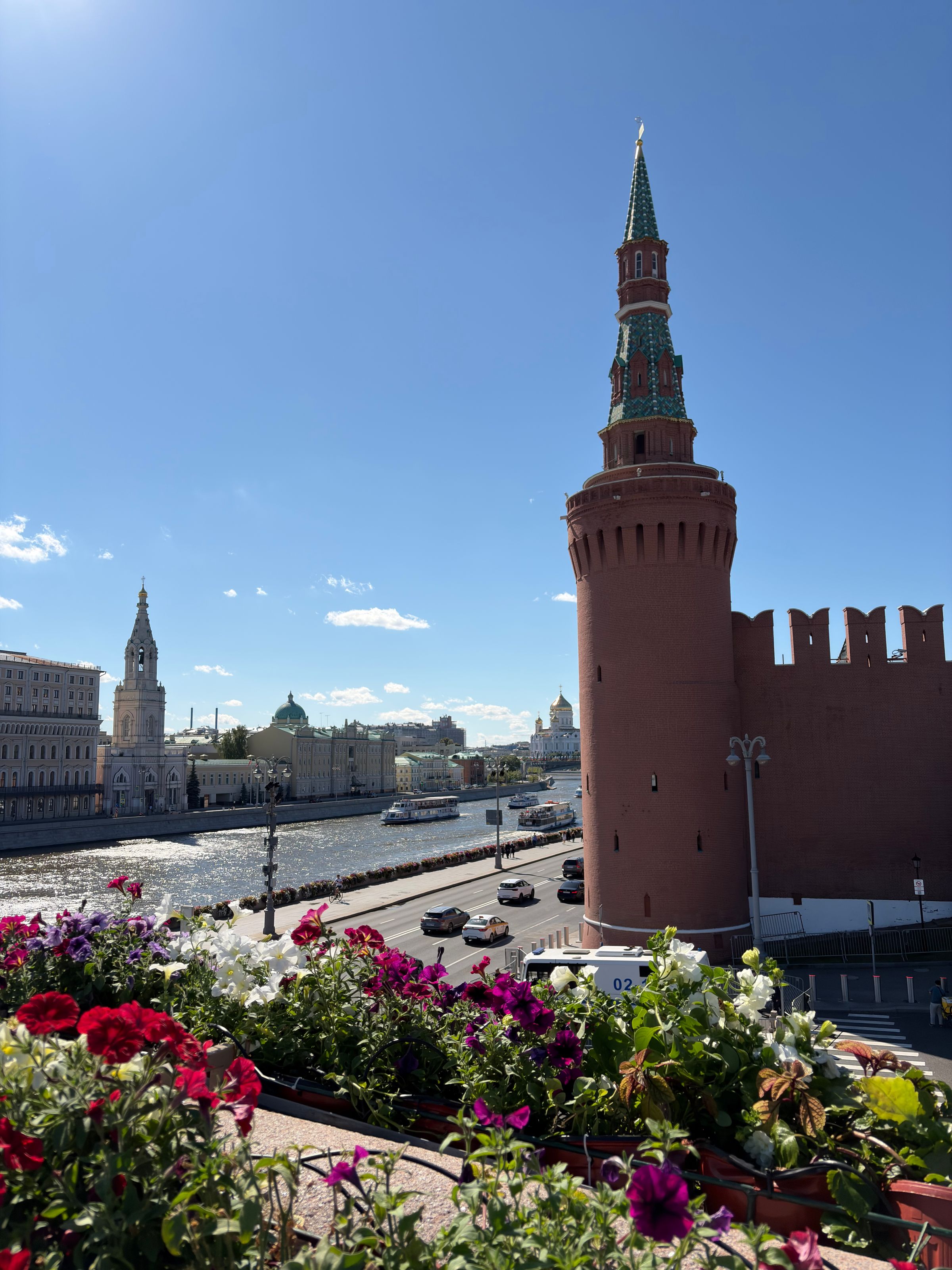
President Vladimir Putin put the number on the table in Moscow: $50 billion. That is the trade turnover he wants between Russia and Africa, more than double the $27 billion recorded with African states last year. That figure, which Putin said had grown by one and a half times since the previous summit, framed a two-day gathering at the Kremlin on 28-29 October that concluded on Thursday with a joint declaration and a cooperation action plan running from 2027 to 2029.
The financial architecture underpinning that trade is already distinctive. The rouble now accounts for 85 per cent of Russian-African commercial transactions, a level of settlement in national currencies that reduces exposure to Western financial channels and signals how far Moscow and its African partners have moved to insulate commerce from external pressure. For market-watchers, the currency mix is as telling as the headline trade figure, pointing to a deliberate effort to build financial independence alongside industrial development.
At the summit’s economic forum, held on Wednesday, Putin argued that Russian companies are already embedded across the continent’s productive economy. He said Russian firms are active in energy, mining, manufacturing and logistics, engaging local contractors and transferring technology. “Russian businesses consistently demonstrate integrity, respect and good faith in their cooperation with African partners,” he told reporters. “They work on an equal footing with their partners […] they invest and reinvest their earnings in the development of your national economies. They share advanced technologies and expertise, make extensive use of local subcontractors, establish new production facilities and create jobs.”
African leaders, for their part, arrived with a clear investment agenda. African Union chair Evariste Ndayishimiye, who addressed the summit alongside Putin before the two held a joint press conference, called on Russian enterprises to invest more actively in African industry and to transfer technology and expertise to local companies. “Africa will not be content with exporting raw materials and importing finished products,” he said. “We must develop our own industrial potential, modernise our agriculture, strengthen our energy infrastructure and logistics routes, and invest more in research and technological development.” Ndayishimiye proposed focusing future cooperation on industrial investment, infrastructure projects, education and technology transfer, and stressed that the new action plan must contain specific projects, sources of funding and mechanisms for evaluating results.
The declaration adopted by the leaders reflects that economic framing across a wide range of policy areas. On trade, it commits the parties to developing cooperation in precious metals and expanding maritime, river, road, rail and aviation infrastructure. On finance, it pushes for reforms of the IMF and World Bank to give African countries greater representation and influence in decision-making, a cause Putin explicitly backed. On sanctions, the declaration opposes unilateral coercive measures imposed outside the UN Security Council and calls for work to reduce their economic impact. It also opposes the freezing and attempted confiscation of sovereign assets, resists protectionist measures introduced under the pretext of combating climate change, and calls for South Africa’s full and active participation in the G20 to be restored as soon as possible.
Meanwhile, individual national agendas added concrete project pipelines. Ethiopian Prime Minister Abiy Ahmed announced that his country is working jointly with Russia to build its first nuclear power station, and expressed interest in nuclear technologies for cancer treatment and in artificial intelligence cooperation. He invited Russian universities to collaborate with Ethiopian scientific and educational organisations and proposed that Russian companies expand manufacturing in Ethiopia’s special economic zones, while calling for the cost of mutual financial transactions to be reduced to simplify payments.
Egyptian President Abdel Fattah El-Sisi advocated the creation of strategic transport corridors and logistics zones, an increase in intra-regional African trade, and links between national electricity grids. He also cited support for agriculture and relief of the debt burden on African states, and emphasised that the summit should mark a shift from assessing results to practical implementation of new initiatives, on terms that are mutually beneficial.
The declaration’s non-economic provisions, including opposition to the detention of civilian vessels, support for colonial reparations, UN Security Council reform, counterterrorism cooperation and the return of cultural artefacts, sit alongside the commercial agenda rather than displacing it. Representatives from around 50 African states attended, including heads of state and government and leaders of regional organisations. Further detail on the summit’s outcomes is available at https://thenational.co.za/thought/2026-11-01-russia-africa-leaders-call-for-deeper-trade-infrastructure-and-security-ties/
For investors and operators, the test now is execution. The action plan’s requirement for named projects and identified funding, as Ndayishimiye insisted, will determine whether the $50 billion trade ambition and the promised industrial ventures materialise into bankable commitments.