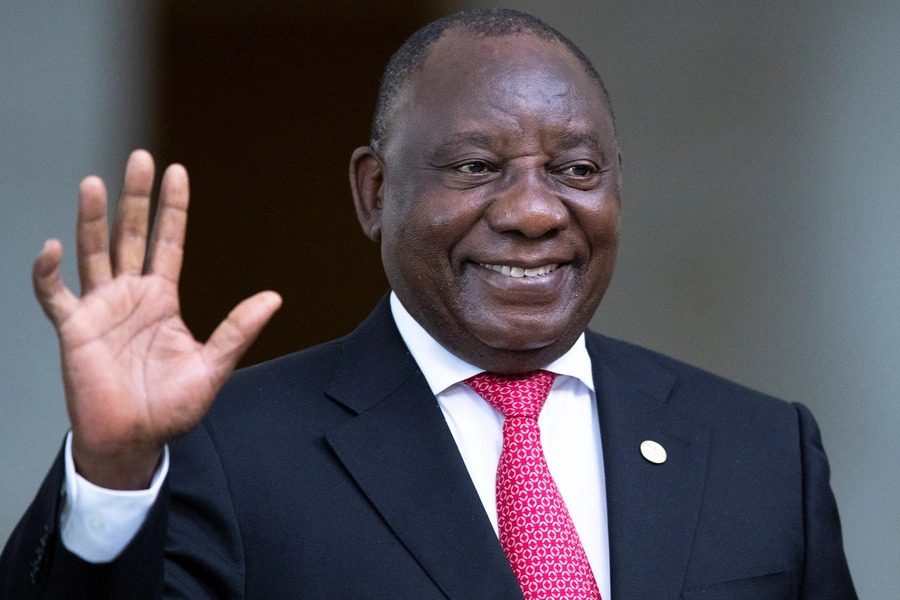
President Cyril Ramaphosa delivered a powerful Reconciliation Day message urging South Africans to engage openly and honestly with the nation’s past. Ahead of the December 16 public holiday, Ramaphosa emphasized that reflecting on the country’s history is essential for fostering unity and reconciliation among citizens.
Speaking from the presidential office, Ramaphosa highlighted that while South Africa has made significant strides since the end of apartheid, deep divisions remain. He called on all citizens, leaders, and institutions to embrace truthful reflection, dialogue, and mutual understanding as a pathway to a cohesive society.
“Reconciliation is not simply remembering the past; it is about acknowledging it fully, learning from it, and building a future grounded in justice and unity,” Ramaphosa said.
The president’s address focused on the importance of honest engagement with history. He reminded citizens that December 16, commemorated as Reconciliation Day, represents both the struggle and the hope for unity in South Africa.
Ramaphosa’s message underscored:
He also highlighted the role of communities and families in passing on lessons from history, ensuring younger generations understand the importance of reconciliation.
Reconciliation Day was established to promote national unity and healing after decades of apartheid-era division. It encourages South Africans to reflect on:
Ramaphosa stressed that reconciliation is a continuous process, not confined to a single holiday. “Every South African has a role to play in fostering understanding and harmony,” he said.
Government officials supported the president’s message. Minister of Social Development stated, “Reconciliation Day reminds us that unity is possible only through honest reflection and shared commitment.”
Community leaders praised the call for introspection. One local civil society leader said, “Ramaphosa’s message is timely. South Africans must confront the past honestly to create a stronger, united nation.”
The Reconciliation Day message has resonated widely on social media. Citizens praised the president for encouraging unity and inclusivity. Twitter and Facebook saw posts using hashtags like #ReconciliationDay, #Unity, and #SAHistory trending throughout the day.
Many users shared personal reflections on how the nation’s past shaped their communities and called for broader engagement in local reconciliation initiatives.
Ramaphosa highlighted that South Africa’s past is inseparable from its present. From apartheid-era injustices to modern social challenges, he emphasized that citizens must confront uncomfortable truths to move forward.
Experts agree that acknowledgment of historical grievances is crucial for sustainable peace. Sociologists note that societies that openly address historical injustices have higher rates of cohesion and lower incidences of civil unrest.
The president’s address also touched on the role of policy in reconciliation. Government initiatives aim to:
Reconciliation Day serves as a reminder for policymakers to prioritize equity, inclusion, and social justice
Ramaphosa urged schools, universities, and youth organizations to integrate lessons from Reconciliation Day into educational programs. “Young South Africans must understand both the struggles and the progress of our nation,” he said.
Programs highlighting history, human rights, and civic responsibility are critical to ensuring the holiday’s message reaches future generations.
Central to the Reconciliation Day message is the call for unity. The president emphasized that division weakens national progress, while unity strengthens democracy and economic development.
He encouraged citizens to participate in community dialogues, cultural exchange programs, and volunteer initiatives as practical steps toward reconciliation.
Following the message, several government departments plan events promoting dialogue and reflection around Reconciliation Day. Civil society organizations have scheduled workshops, webinars, and community gatherings to foster understanding, dialogue, and shared learning.
The president’s address sets the tone for ongoing national discussions on reconciliation and unity, ensuring the holiday remains meaningful beyond symbolic observance.
President Ramaphosa’s Reconciliation Day message is a call to action: to confront South Africa’s past honestly, learn from it, and work collectively toward unity. As citizens prepare to observe December 16, his message reminds the nation that reconciliation is a continuous journey requiring dialogue, accountability, and shared responsibility.
By embracing reflection and cooperation, South Africans can honor the spirit of Reconciliation Day while building a more inclusive, equitable, and united future.