The recent Limpopo Crash on the R36 in Mogokoloboto has drawn attention to how dangerous South Africa’s rural roads can be, especially for newcomers. A 23-year-old Zimbabwean man, who had just arrived in the country to look for work, died in a high-speed collision involving a single vehicle. Early reports suggest fatigue may have played a role, raising questions about long travel hours, informal transport options, and poor rest opportunities. This tragedy is not just an isolated accident. It reflects deeper problems in how migrants move from the border to farms, towns, and work sites. Understanding these lessons is vital if similar deaths are to be prevented in future.
The Limpopo Crash is more than a statistic on a road safety report. It represents the end of one young man’s hope for a better life. The 23-year-old had reportedly just arrived in South Africa, like thousands of other Zimbabweans who cross the border each year in search of work. His journey ended on the R36, far from home and family. For many migrants, this road is part of a longer chain of buses, taxis, and lifts taken with limited money and little choice. They often travel at odd hours, carrying bags, documents, and heavy expectations from those waiting at home. When a crash happens, families back in Zimbabwe may only hear about it through friends, social media, or delayed official channels, deepening the emotional shock.
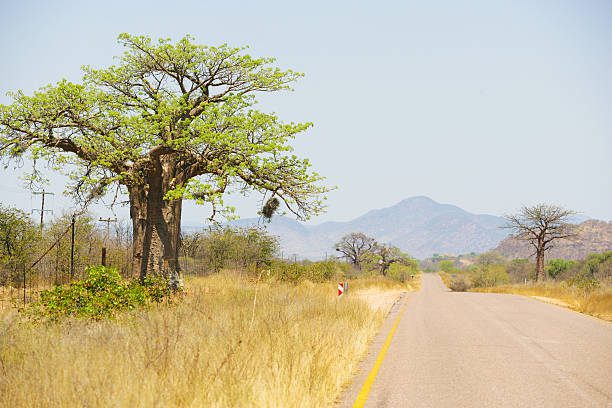
The Limpopo Crash has highlighted how rural routes such as the R36 can be particularly dangerous. These roads are used by a mix of heavy trucks, fast-moving private cars, and overloaded taxis. Lighting is often poor, and long stretches have limited signage or shoulders. Drivers may travel long distances without proper rest stops, increasing the risk of fatigue-related mistakes. At night, visibility drops and animals or pedestrians can suddenly appear on the road. In some places, potholes and uneven surfaces force drivers to swerve or brake sharply. When all these factors combine, a single moment of inattention can be fatal. The Mogokoloboto accident shows that improving safety on rural roads is just as important as managing traffic on busy highways.
The Limpopo Crash underlines how vulnerable new migrants are when they arrive in South Africa. Many Zimbabwean newcomers do not know local routes, safety standards, or reliable transport operators. They may have limited cash and feel pressured to accept the cheapest or quickest ride available, even if it seems unsafe. Language barriers and fear of authorities can stop them from asking questions or complaining about speeding and driver fatigue. Some depend on informal networks that arrange transport from border areas to farms or small towns, with little oversight. In such settings, newcomers are passengers with no real power. When a crash happens, they are the ones whose lives and futures are cut short, while the broader systems that failed them remain largely unchanged.
Investigators have suggested that fatigue may have contributed to the Limpopo Crash, and this is a critical point. Long hours behind the wheel, especially on monotonous rural roads, reduce a driver’s concentration and reaction time. Many transport operators work under financial pressure, trying to complete as many trips as possible in a day. Drivers may skip rest breaks, ignore early signs of tiredness, or even drive through the night. Migrant passengers, eager to reach their destinations quickly, may not object to this pace. Fatigue can cause delayed braking, drifting between lanes, or failing to judge bends and turns accurately. On a fast-moving road like the R36, a single mistake can send a vehicle off the road or into a fatal roll-over.
The Limpopo Crash makes it clear that transport safety cannot stop at the formal border post. Once migrants enter South Africa, many still face long, unregulated journeys into the countryside. There is often a gap between official cross-border buses and the local transport needed to reach villages, farms, and small towns. This space is frequently filled by private cars, informal taxis, or ad hoc lifts organised through word of mouth. These vehicles may not be roadworthy, properly licensed, or insured. They may also bypass main checkpoints to avoid delays or inspection. Without stronger systems guiding migrants toward safer options, tragedies like the Mogokoloboto accident are likely to continue, and responsibility becomes difficult to trace.
Local communities near Mogokoloboto were among the first to respond to the Limpopo Crash. Residents typically arrive at scenes before emergency services, helping injured passengers, calling authorities, and trying to control traffic. These communities carry emotional scars from repeated accidents along the same stretch of road. They see the same patterns: high speed, tired drivers, vehicles in poor condition, and vulnerable passengers. In the days after such a crash, community leaders may hold prayers, meetings, or calls for government action. However, without lasting changes to signage, law enforcement, and transport regulation, people living along the R36 remain on the front line of risk. Their voices are important in shaping future safety campaigns and infrastructure priorities.
The Limpopo Crash again raises questions about how consistently traffic laws are enforced on rural roads. While South Africa has clear rules on speeding, roadworthiness, and driver hours, enforcement is often stronger on major highways than in remote areas. On the R36, traffic officers may be few, and patrols limited. This creates a space where unsafe driving habits develop over time. Vehicles may operate with worn tyres, faulty brakes, or overloaded cabins. Regular enforcement, random checks, and mobile patrols could act as a deterrent, but they require resources and planning. The Mogokoloboto incident suggests that more attention must be paid to roads that link border areas, townships, and agricultural zones, where vulnerable passengers travel most.
One of the strongest lessons from the Limpopo Crash is the urgent need for safer migrant transport options. Organisations that work with migrants often argue that information and safe choices are just as important as border control. Newcomers could benefit from clear guidance on recommended transport routes, verified operators, and contact numbers in case of emergencies. Partnerships between local government, NGOs, and transport associations could create simple codes of conduct for vehicles carrying cross-border passengers. Making safety visible and understandable to someone arriving for the first time can reduce reliance on risky rides. The tragedy on the R36 shows that protecting migrants’ lives must include their journey beyond the border itself.
The Limpopo Crash stands as a sad reminder that road safety and migrant protection are shared responsibilities. Drivers must respect limits and know when to rest. Owners of vehicles must maintain them properly and avoid pressuring drivers into unsafe schedules. Authorities must enforce traffic laws fairly and consistently, especially on rural routes. Communities need resources and support to continue raising awareness and reporting hazards. Migrants, for their part, need access to clear information and safe alternatives. When any link in this chain fails, tragedies occur. The loss of a 23-year-old Zimbabwean man in Mogokoloboto should not be just another headline but a turning point toward safer, more humane transport systems.
Q1: What happened in the Limpopo Crash involving the Zimbabwean newcomer?
The Limpopo Crash involved a single-vehicle collision on the R36 near Mogokoloboto, where a 23-year-old Zimbabwean man seeking work died at the scene.
Q2: Why is the Limpopo Crash seen as a migrant safety issue?
The Limpopo Crash is linked to migrant safety because the victim was a new arrival, travelling on a rural route often used by migrants with limited safe transport options.
Q3: What changes are needed after the Limpopo Crash?
The Limpopo Crash highlights the need for better rural road enforcement, safer migrant transport choices, and improved information for newcomers.
The Limpopo Crash that claimed the life of a young Zimbabwean jobseeker has exposed deep weaknesses in rural road safety and migrant transport systems. It shows how fatigue, poor infrastructure, limited enforcement, and lack of safe options intersect in tragic ways. At the same time, it calls communities, authorities, and regional partners to act together. If the lessons from this accident lead to better information, stricter enforcement, and safer transport choices, then this loss may at least drive meaningful change along South Africa’s rural roads.