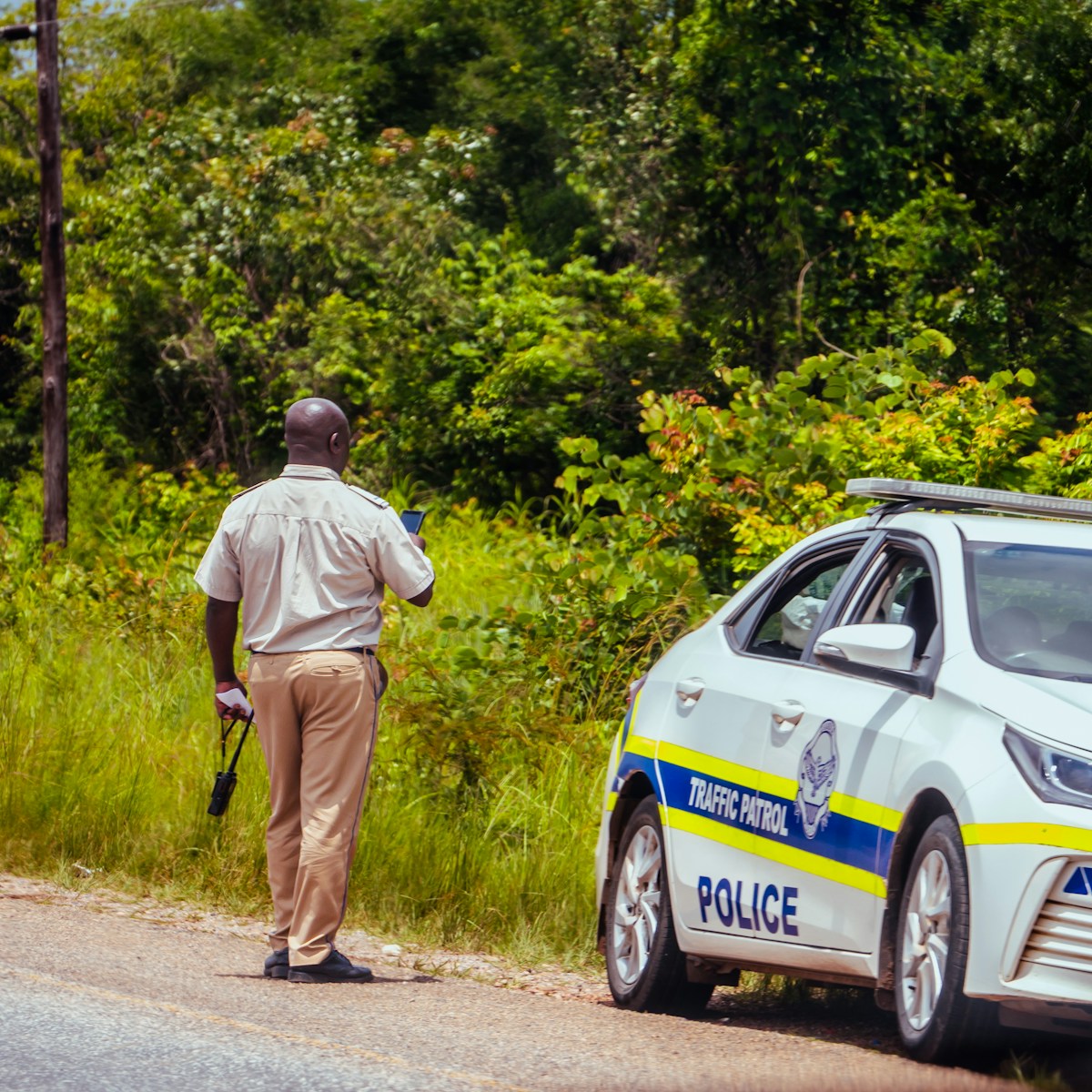
Crime underreporting is a critical issue in South Africa, where millions of incidents from housebreakings to assaults never reach law enforcement. Less than half report these crimes, creating a hidden landscape of danger where official statistics fail to reflect reality.
The reluctance to report crimes stems from mistrust in police, concerns about insufficient evidence, or the belief that reporting will not lead to meaningful action. This culture of silence leaves many perpetrators unpunished.
For more insights, visit the official SAPS crime statistics page or read about Self-Protection Measures.
Over 1.5 million housebreaking cases were reported in 2024/25, but only 43% were officially reported. This gap shows the hidden scale of household crime.
Homeowners take measures like alarms and reinforced doors, but fear of retaliation or distrust of police discourages reporting. Risk spikes during June. Learn practical tips in Self-Protection Measures.
Reasons include:
Community engagement and awareness campaigns can bridge this gap. See Gauteng for local initiatives.
June and December 2024 saw spikes in housebreaking and assault. Weapons, mostly firearms, were involved in more than half of reported cases. For prevention, refer to Self-Protection Measures.
For global statistics, visit UNODC.
Theft affected over 1.2 million South Africans in 2024/25, but only 31% reported. This silent epidemic challenges resource allocation. Prevention tips are in Self-Protection Measures.
Gauteng reports the highest number of crimes due to urban density and economic disparities. Community policing and neighborhood watches have improved local safety. See Self-Protection Measures for guidance.
Over 360,000 assault cases were reported in 2024/25. Almost half involved known perpetrators. Women-specific guidance is in Women’s Safety at Home or UN Women resources.
47% of female assault victims were attacked by a spouse or intimate partner. Safety guidance is included in Self-Protection Measures.
81% feel safe during daylight; only 36% at night. Fear of unreported crimes increases anxiety. Prevention strategies are in Self-Protection Measures.
Over half of South Africans aged 16+ have not taken protective measures; 1 in 4 feels helpless. Proactive safety and reporting break the cycle. Related sections: Housebreaking and Theft.
Crime underreporting: it masks the true scale of threats in South Africa, from housebreaking and personal property theft to assaults and domestic violence. Official statistics often provide only a partial picture, leaving policymakers, law enforcement, and communities underprepared.
Understanding why citizens hesitate to report crimes due to fear, mistrust in the police, or perceived bureaucracy is essential for developing effective strategies. Recognizing high-risk periods and regions allows authorities and residents to anticipate dangers and take proactive measures to protect themselves and their communities.
Implementing preventive measures, such as security systems, community watch programs, and public awareness campaigns, can reduce the prevalence of crime and empower citizens to act confidently. Encouraging reporting not only helps victims receive justice but also strengthens crime data, enabling law enforcement to allocate resources more effectively.
Trust-building between law enforcement and communities is crucial. When citizens believe their reports will lead to meaningful action, they are more likely to come forward, creating a culture of accountability that deters criminals and enhances public safety.
Ultimately, transforming silent statistics into meaningful action requires collective effort: informed citizens, responsive law enforcement, and supportive community structures. For detailed strategies on how individuals can protect themselves and their property, refer to Self-Protection Measures. By working together, South Africa can create a safer environment for all residents, where crimes are reported, perpetrators are held accountable, and communities feel secure.