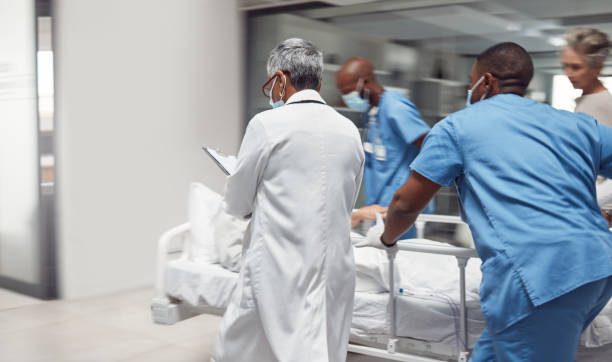
Festive Accidents are on the rise across South Africa this holiday season, with hospitals struggling to cope and emergency services stretched to their limits. Authorities report a sharp increase in road crashes, alcohol-related injuries, and trauma cases, prompting intensified safety operations nationwide. From KwaZulu-Natal to Gauteng and the Western Cape, citizens are being urged to exercise caution, while government agencies implement measures to prevent fatalities and ensure swift emergency response.
Over the past two weeks, South African hospitals have reported unprecedented numbers of trauma admissions linked to festive accidents. Road crashes remain the most common cause, often involving high-speed collisions, reckless driving, and alcohol consumption. Emergency departments in major urban centers, including Johannesburg, Durban, and Cape Town, are operating beyond capacity, with some trauma wards converting general beds to accommodate the surge.
Traffic police confirm that accident hotspots are primarily along major highways connecting holiday destinations. Speeding, poor visibility during evening hours, and overburdened roads have contributed to the spike in injuries.
The National Department of Transport and local traffic authorities have intensified road safety operations, deploying additional patrol units, conducting random alcohol tests, and setting up accident response teams along high-risk routes.
Dr. Nandi Mkhize, spokesperson for the South African Department of Health, stated:
“Hospitals are seeing a significant influx of trauma patients this festive season. We urge drivers and pedestrians to take precautions. Emergency services are operating 24/7 to provide immediate care.”
The South African Police Service (SAPS) also confirmed that roadblocks and increased patrolling are in place to curb reckless driving and prevent alcohol-related incidents.
Authorities are coordinating with local municipalities to provide traffic updates, safety advisories, and timely emergency response across all affected regions.
Experts attribute the rise in festive accidents to a combination of factors:
Social media platforms are abuzz with news of festive accidents, with citizens sharing photos of crashes, traffic jams, and hospital queues. Many users are urging drivers to remain vigilant, adhere to speed limits, and avoid driving under the influence.
Hashtags such as #FestiveAccidentsSA and #RoadSafety are trending as citizens seek updates and share safety tips. Community groups are also providing assistance to accident victims, highlighting both the scale of the problem and the social response to it.
Authorities recommend the following precautions during the festive season:
Emergency services have also launched awareness campaigns, urging the public to call for help immediately in the event of an accident and to remain calm at the scene.
Authorities expect festive accidents to remain high until the end of the holiday period. Hospitals are on high alert, with trauma teams working extra shifts and additional ambulances deployed to cover high-risk areas. Traffic agencies continue to monitor accident-prone roads and will update safety measures based on ongoing developments.
Dr. Mkhize added:
“We are doing everything possible to reduce fatalities and injuries. However, public cooperation is essential. Every driver, passenger, and pedestrian plays a role in keeping South Africa safe this festive season.”
The surge in festive accidents across South Africa highlights the urgent need for vigilance during the holiday season. With hospitals overwhelmed and roads congested, authorities emphasize preventive measures, awareness campaigns, and prompt emergency response. Citizens are urged to drive safely, avoid alcohol while traveling, and adhere to traffic regulations to reduce the risk of accidents and ensure a safe festive period for all.

Cape Town | South Africa