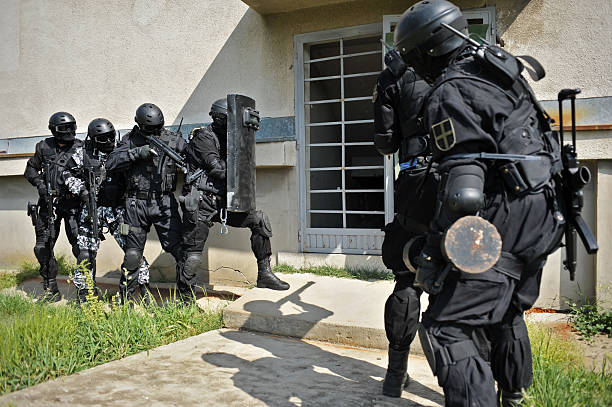
A Refugee Raid on a United States-linked refugee processing center in Johannesburg has escalated diplomatic tensions between South Africa and Washington, following the arrest of seven Kenyan workers who later self-deported. The facility, which handles asylum applications for Afrikaner applicants, has been at the center of controversy due to claims of targeted resettlement and alleged misrepresentation of conditions in South Africa.
The raid, conducted over several hours earlier this week, marks one of the most significant enforcement actions in the country involving a US-funded operation and has drawn immediate international attention.
South African immigration authorities, backed by law enforcement, conducted a surprise inspection of the Johannesburg facility. According to official statements, the center was processing refugee claims for white South Africans (Afrikaners) who allege persecution in their home communities.
During the operation, officials detained seven Kenyan nationals who were employed at the center. Authorities claimed that the workers were operating on tourist visas, which do not allow foreign nationals to engage in employment.
“Every person working in South Africa must have the proper legal documentation. These workers were employed illegally, regardless of the organization funding their work,” said a spokesperson from the Department of Home Affairs.
The raid did not involve US diplomatic staff, as the facility was not on embassy grounds, meaning South African law applied fully to its operations.
Following their arrest, the seven Kenyan workers were issued deportation orders. Government sources stated that the individuals voluntarily chose to self-deport, signing departure documents instead of pursuing legal appeals that could have delayed the process.
Legal experts note that self-deportation is often a way to avoid long-term detention while preserving the possibility of future work visas. The workers reportedly returned to Kenya within days, but their sudden removal has disrupted day-to-day operations at the processing center.
The Refugee Raid sparked a swift diplomatic reaction from the United States. State Department officials described the arrests as “disruptive to humanitarian operations” and requested clarification from South African authorities.
“The United States expects cooperation in refugee processing, and unilateral enforcement actions can severely impact individuals seeking asylum and the staff assisting them,” a US diplomat stated.
While Washington stopped short of formally accusing South Africa of legal violations, it emphasized that refugee centers must operate with a degree of international coordination.
Experts say the raid may add friction to bilateral relations that were already strained due to trade disputes, regional security issues, and differing political priorities.
At the heart of the tension is the US refugee initiative targeting Afrikaner asylum seekers. This program, introduced under a previous US administration, prioritizes white South Africans claiming racial persecution, particularly in rural areas affected by crime.
South African officials have repeatedly rejected the program, arguing that crime and violence affect all citizens, not just one racial group, and that claims of systematic persecution are politically motivated.
“The program misrepresents the situation in South Africa and undermines our sovereignty,” said a government official. Human rights groups have also criticized the policy as racially selective and likely to inflame social tensions.
South African authorities defend the Refugee Raid as fully legal. The Department of Home Affairs emphasized that foreign-funded operations must comply with local labor and immigration laws, including work authorization for all staff.
“National law applies equally to domestic and international organizations operating within South Africa. The enforcement action was necessary to maintain the integrity of our immigration system,” said the spokesperson.
Legal analysts confirm that while refugee processing often involves international cooperation, host nations retain the right to enforce their laws, including arresting and deporting unauthorized workers.
The raid has garnered attention in Kenya, the United States, and across Africa. While Kenyan authorities have not lodged a formal protest, diplomats have reportedly monitored the situation and provided consular support to the deported nationals.
International human rights organizations have expressed concern over the impact on asylum seekers. They warn that enforcement actions, while lawful, could delay processing and create uncertainty for vulnerable populations.
South African politicians largely support the government’s enforcement approach, framing it as an issue of sovereignty and legal compliance rather than diplomacy.
The Refugee Raid has temporarily disrupted processing at the Johannesburg center. Applicants whose cases were being handled by the Kenyan staff now face delays.
Some applicants, speaking anonymously, expressed anxiety about their asylum claims: “We don’t know how long it will take now. Our applications were being processed quickly before,” one said.
Advocacy groups warn that delays may increase risk for those seeking urgent resettlement.
Diplomatic discussions between Pretoria and Washington are expected in the coming days. Analysts predict both countries will try to reach an agreement that preserves humanitarian cooperation while respecting South Africa’s legal framework.
Authorities may also conduct further inspections at similar refugee processing centers to ensure compliance with visa and labor regulations.
The Refugee Raid in Johannesburg has evolved from a law enforcement action into a diplomatic flashpoint, highlighting tensions between national sovereignty and international humanitarian efforts. How South Africa and the United States navigate the fallout could shape refugee policies and bilateral relations for years to come.