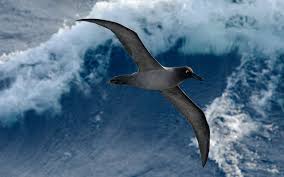
A recent global tracking study has raised urgent concerns about the status of marine megafauna habitats, revealing that over 80% of the hotspots where these species thrive are located in regions that are largely unprotected. Marine megafauna—such as whales, sharks, sea turtles, and manta rays—play critical roles in maintaining the health of marine ecosystems. These species are not only fascinating and iconic but are also integral to the balance of the oceans, influencing everything from nutrient cycling to the structure of food webs. Yet, despite their ecological importance, these animals and their habitats remain highly vulnerable.
The study tracked thousands of individual marine megafauna over several years using satellite tagging and other advanced tracking technologies, offering detailed insights into the species’ movements, feeding grounds, and migratory patterns. While researchers were able to identify areas of the ocean that are crucial for the survival of these species—often referred to as hotspots—it was discovered that most of these critical habitats fall outside the boundaries of existing marine protected areas (MPAs).
For more: https://africapulsemedia.com/
Marine megafauna refers to a group of large marine animals that include apex predators, migratory species, and others that have a significant impact on the health of ocean ecosystems. These species, which often weigh hundreds or even thousands of pounds and can grow to lengths greater than 50 feet, are not just fascinating creatures to study or observe, but they also serve critical roles in maintaining the balance and biodiversity of marine environments.
The term “megafauna” generally refers to animals that are larger than the typical species in their habitat, but their size is not the only thing that makes them crucial. These species are key players in the complex web of marine life, and their behaviors—including migration, feeding patterns, and reproduction—have cascading effects that influence other marine organisms.
The importance of marine megafauna cannot be overstated, as their presence in the ocean is intertwined with the stability and resilience of marine ecosystems. Their interactions with the environment, other species, and their own populations can lead to profound changes in the structure of marine food webs and ecosystem functions. By regulating species populations, facilitating nutrient cycling, and contributing to the overall productivity of marine habitats, marine megafauna directly or indirectly ensure the health of our oceans.
There are several well-known species of marine megafauna that have evolved to occupy specific ecological niches. These species are indispensable to marine biodiversity, and their decline or extinction would have far-reaching consequences for ocean ecosystems. Some notable examples of marine megafauna include whales, sharks, and sea turtles—each of which plays a critical role in shaping the health and functioning of marine environments.
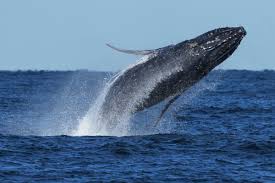
Whales are among the largest animals on Earth, with some species, such as the blue whale, growing to lengths of over 100 feet and weighing up to 200 tons. Despite their enormous size, whales play an important role in promoting the health of marine ecosystems through their activities. One of the key ecological functions of whales is nutrient cycling.
Whales feed primarily on small organisms like krill and plankton in the deep ocean, and their feeding habits bring nutrients from the depths to the surface waters. When whales excrete waste, their feces are rich in nitrogen and iron—essential nutrients that help promote plankton growth at the surface of the ocean. This process, known as the whale pump, enhances the productivity of marine ecosystems, supporting the growth of plankton that forms the base of the food web. The increased plankton population, in turn, supports other marine life, including fish, which are consumed by various predators.
Moreover, whale carcasses, known as whale falls, provide an entire ecosystem of nutrients for deep-sea organisms after the whale dies. As a whale sinks to the ocean floor, its body becomes a vital source of food for scavengers, microbes, and a range of deep-sea species. This “oasis” can support a whole community of organisms for years, helping sustain life in one of the most barren ecosystems on Earth.
The presence of whales in the ocean has far-reaching effects on carbon cycling as well. Whales contribute to the carbon cycle through the process of carbon sequestration. By consuming carbon-rich organisms such as krill, and then releasing nutrients into the water, they help facilitate the process that captures and stores carbon in deep-sea ecosystems, thus contributing to the regulation of the Earth’s climate.
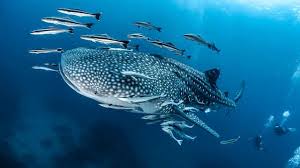
Sharks, often referred to as apex predators, occupy the top of the marine food chain. These fascinating creatures, which have been around for hundreds of millions of years, play an essential role in maintaining the balance of marine life. As predators, sharks regulate the populations of smaller fish and invertebrates, preventing any one species from overpopulating and disrupting the ecosystem.
One of the most important functions of sharks is their ability to control prey populations. By preying on herbivores, such as large schools of fish, sharks prevent these species from becoming too abundant and overgrazing marine vegetation like seagrasses and coral reefs.
Without this natural control, herbivorous fish can decimate essential habitats, leading to the collapse of ecosystems that depend on those plants, such as seagrass meadows and coral reefs. For instance, in areas where shark populations have been significantly reduced due to overfishing, there has been a marked increase in the numbers of herbivores, which has caused widespread degradation of coral reefs and seagrass beds.
Sharks also help maintain the diversity of marine species by controlling the abundance of other predators. They often hunt the sick, injured, or weaker individuals of prey species, which in turn ensures the overall health and vigor of the populations they regulate. This process, known as natural selection, helps improve the genetic pool of marine species, supporting the health of marine ecosystems over the long term.
In addition to their role in maintaining food web balance, sharks contribute to ocean health by acting as indicators of environmental changes. As highly sensitive creatures, sharks are particularly vulnerable to shifts in ocean conditions, including temperature fluctuations, pollution, and habitat degradation. Monitoring shark populations can, therefore, provide scientists with valuable information about the health of marine ecosystems and potential threats, such as climate change or overfishing.
Sea turtles, which have existed for more than 100 million years, are some of the most iconic and long-lived marine creatures. These ancient reptiles are critical to the health of marine ecosystems, particularly coral reefs and seagrass beds. As herbivores, sea turtles feed on a variety of organisms, including seagrasses, algae, and jellyfish.
Sea turtles are often seen as natural gardeners of the seagrass meadows, where they play a vital role in maintaining the balance between plant and animal life. By grazing on seagrasses, they help prevent the overgrowth of vegetation that could otherwise smother coral reefs and disrupt the natural equilibrium of marine ecosystems. Sea turtles also help to keep jellyfish populations in check. Jellyfish are abundant in some parts of the ocean, and without sea turtles to feed on them, these populations could explode and disrupt the marine food web.
Moreover, the nesting behavior of sea turtles also contributes to the health of coastal ecosystems. Female sea turtles lay their eggs on beaches, and their nesting activity has been shown to aid in the fertilization of beach sand, providing nutrients for coastal plants. The hatchlings that make their way to the ocean also have a role in nutrient cycling, as they carry nutrients from the coastal environment into the open ocean, further enhancing the productivity of marine ecosystems.
As important migratory species, sea turtles also help connect different marine ecosystems. For example, by traveling across vast distances between feeding grounds and nesting sites, sea turtles facilitate the movement of nutrients between different parts of the ocean. This connectivity is vital for maintaining the health of large-scale oceanic food webs.
The behavior of marine megafauna—whether it is their migration, feeding patterns, or reproduction—can have profound and cascading effects throughout marine ecosystems. These animals often act as “ecosystem engineers,” influencing the structure and function of their habitats by their mere presence and activities. Their actions maintain the delicate balance between predator and prey, nutrient cycling, and overall biodiversity. When populations of marine megafauna decline, as has been the case in many regions due to overfishing, habitat destruction, and climate change, the entire ecosystem suffers.
The loss of these animals can lead to a trophic cascade, where the removal of one species leads to the disruption of many others. For example, the decline of sharks can lead to an overpopulation of herbivorous fish, which can damage coral reefs and seagrass beds. Similarly, the decline of whale populations can disrupt nutrient cycling and decrease productivity in marine ecosystems. This can have ripple effects on the entire food web, reducing biodiversity and diminishing the resilience of marine ecosystems to environmental stressors like climate change.
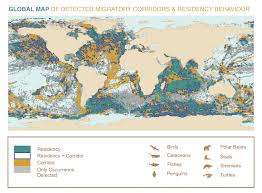
The study, conducted by a team of marine biologists and conservationists, tracked over 2,000 individual marine megafauna across the globe, from the Arctic to the Southern Ocean. Using satellite tracking technology, researchers were able to identify the migration patterns, feeding zones, and critical habitats of these species. The study revealed a concerning pattern: the majority of marine megafauna hotspots—areas where these species aggregate in large numbers—are located in regions that lack effective protection measures, such as marine protected areas (MPAs).
Key findings from the study include:
The lack of protected areas for marine megafauna has serious consequences for the survival of these species. Without sufficient protection, these animals are exposed to:
By establishing and enforcing marine protected areas (MPAs) in critical habitats, countries can help mitigate some of these threats and create safe havens for marine megafauna to thrive. Research has shown that well-managed MPAs can enhance the populations of species, improve biodiversity, and protect the broader marine environment.
Solutions and Call for Action
The findings of the recent global tracking study offer a critical wake-up call to the world regarding the conservation of marine megafauna. The study revealed that more than 80% of the hotspots for these species are located in areas that lack adequate protection, with many falling outside the boundaries of Marine Protected Areas (MPAs). This is a deeply troubling reality, especially when considering the vital role that these megafauna play in maintaining healthy and balanced ocean ecosystems.
The fact that so many essential habitats for marine megafauna remain unprotected highlights the urgent need for a global commitment to expand and strengthen marine conservation efforts. If we are to prevent the further decline of these species and protect our oceans for future generations, it is imperative that governments, international organizations, and local communities invest more resources and effort into the conservation of marine habitats.
Marine Protected Areas (MPAs) have been widely recognized as one of the most effective tools for conserving marine biodiversity. MPAs are designated areas of the ocean where human activities are restricted or carefully managed to protect vulnerable ecosystems and species. They offer sanctuary for marine life, reduce human impact, and provide opportunities for species to recover and thrive.
However, the current network of MPAs is far from sufficient to safeguard marine megafauna and their habitats. Despite significant progress in the establishment of MPAs over the past few decades, the reality is that many MPAs are either too small, poorly managed, or located in areas with limited importance for marine megafauna.
One of the most pressing issues is the size and location of existing MPAs. In many cases, MPAs are too small to provide adequate protection for wide-ranging species such as whales, sharks, and sea turtles. These species often travel vast distances across international waters, and their movements cannot be fully protected within the confines of small, isolated MPAs.
For example, many whale species migrate across entire ocean basins, from feeding grounds in polar waters to breeding areas in tropical seas. Similarly, sharks travel across vast stretches of the ocean, often venturing into areas that are not covered by MPAs. To address this issue, MPAs must be significantly expanded and strategically placed to cover the migratory routes and critical habitats of these species.
Another critical issue is the poor enforcement of protections within existing MPAs. While many MPAs have been designated, they often lack effective management, monitoring, and enforcement mechanisms. This is particularly true in remote or poorly governed regions of the world’s oceans.
For instance, illegal fishing, oil and gas exploration, and unregulated shipping traffic are rampant in areas that are supposed to be protected. Without strong enforcement, MPAs become little more than paper parks—designated areas that offer little real protection to marine life. For MPAs to be truly effective, governments must allocate sufficient resources to ensure that they are properly managed and that illegal activities are swiftly detected and addressed.
To protect marine megafauna and their habitats, it is clear that urgent action is needed. The following solutions represent a comprehensive approach to strengthening marine conservation efforts:
The most direct and impactful way to safeguard marine megafauna is by expanding the number and size of Marine Protected Areas. Governments and international bodies must prioritize the creation of new MPAs, particularly in areas that are known to be critical for marine megafauna. This includes the high seas, international waters, and areas that are currently underrepresented in the global MPA network.
In particular, more protection is needed in areas where marine megafauna congregate, such as feeding and breeding grounds. For example, the Pacific Ocean is home to some of the most important whale migration routes, and creating large-scale MPAs along these migratory corridors would go a long way in providing long-term protection to these species. Similarly, areas of the ocean that are rich in biodiversity, such as seamounts (underwater mountains) and deep-sea ecosystems, must be given special consideration in future MPA initiatives.
Furthermore, the size of these protected areas is crucial. Small, isolated MPAs are often ineffective because they cannot support wide-ranging species. Expanding existing MPAs and creating large marine sanctuaries will provide a much-needed refuge for marine megafauna and ensure that these species have enough space to roam freely without the constant threat of human interference.
While creating new MPAs is important, it is equally critical to improve the enforcement of protections within the MPAs that already exist. Effective monitoring and enforcement are essential to ensuring that MPAs are fulfilling their intended purpose. This requires a combination of on-the-ground surveillance, technological innovations, and international cooperation.
Advancements in satellite technology and remote sensing have made it possible to track illegal activities in the oceans in real time. By utilizing these tools, authorities can monitor the activities of ships and detect illegal fishing, poaching, and other destructive practices. Additionally, governments must invest in local and regional enforcement efforts, including patrolling MPAs, conducting regular inspections, and prosecuting violators of conservation laws.
In many regions, local communities can play a key role in enforcing protections by becoming stewards of the ocean and actively participating in conservation efforts. Community-based conservation models, which involve local stakeholders in the management of MPAs, can be highly effective in ensuring that protections are respected and upheld.
Many marine megafauna species, such as whales, sea turtles, and sharks, do not respect national borders. These species travel vast distances across international waters, often moving between the exclusive economic zones (EEZs) of different countries. As a result, international cooperation is essential for the protection of marine megafauna.
Countries must collaborate on the establishment of cross-border MPAs and the coordination of conservation efforts across jurisdictions. This includes harmonizing laws and regulations related to marine protection, sharing data on species movements, and working together to address threats such as illegal fishing and pollution. International agreements, such as the Convention on Biological Diversity (CBD) and the United Nations Convention on the Law of the Sea (UNCLOS), provide a framework for such cooperation. However, these agreements must be strengthened and more countries must commit to their implementation.
Additionally, international bodies such as the Convention for the Conservation of Migratory Species (CMS) and the International Whaling Commission (IWC) play vital roles in facilitating cooperation among nations on the conservation of migratory species. Strengthening these international frameworks and ensuring that all nations adhere to their commitments is critical for the future of marine megafauna.
Public awareness is a powerful tool for driving policy change and garnering support for marine conservation efforts. By raising awareness about the importance of marine megafauna and the threats they face, we can inspire people around the world to take action. Whether it is through education campaigns, social media, or documentary films, efforts to highlight the plight of marine megafauna can lead to increased public support for the establishment of MPAs, stricter fishing regulations, and better enforcement of existing protections.
Moreover, policy advocacy is essential for influencing decision-makers and ensuring that marine conservation remains a top priority on the global agenda. Non-governmental organizations (NGOs), environmental groups, and local communities must continue to push for stronger environmental policies and the allocation of funds for marine protection. Engaging with policymakers, conducting lobbying efforts, and participating in international summits on marine conservation can help secure the necessary political will to make meaningful changes.
The findings of the global tracking study are a stark reminder that while marine conservation efforts have made some progress, much more needs to be done to protect marine megafauna and their critical habitats. By expanding the number and size of MPAs, improving enforcement, fostering international cooperation, and raising public awareness, we can build a robust framework for the long-term protection of these species and the health of our oceans. The time to act is now, and with a concerted global effort, we can ensure that marine megafauna continue to thrive for generations to come.
Ask ChatGPT Conclusion
The alarming results of the global tracking study highlight the fact that, despite years of conservation efforts, marine megafauna are still facing significant risks due to unprotected and poorly managed habitats. Addressing these challenges requires a concerted global effort, including the expansion of marine protected areas, stronger enforcement, and international cooperation. If left unaddressed, the continued decline of these iconic species will have far-reaching consequences for marine ecosystems and biodiversity.
Further Reading & Resources
The post by: https://news.mongabay.com