The Elburn–DeKalb Passenger Rail Project represents a significant effort to enhance transportation infrastructure and sustainability within the U.S. This article delves into the environmental study conducted for the project, emphasizing the potential benefits of integrating sustainable rail systems into the country’s broader transportation network. The study analyzes ecological impacts, addresses community concerns, and offers strategic recommendations to ensure the project’s environmental compatibility. By evaluating these factors, the study aims to inform policymakers, transportation planners, and environmental advocates about the importance of balancing development with ecological preservation.
For more: https://africapulsemedia.com/
In recent years, the push for sustainable transportation systems in the United States has gained momentum. Among these initiatives is the Elburn–DeKalb Passenger Rail Project, designed to enhance connectivity between suburban areas and urban centers while reducing reliance on automobile transport. The project’s success hinges not only on its engineering feasibility but also on its environmental compatibility. An in-depth environmental study is essential to ensure that the benefits of such a rail system do not come at the cost of ecological degradation.
The Elburn–DeKalb Passenger Rail Project is part of a larger initiative to modernize and expand the transportation infrastructure within the United States, particularly with an emphasis on environmentally sustainable solutions. One of the most critical components of the project is its environmental study, which systematically assesses various factors that could influence both the local and broader ecosystems, communities, and future generations. This in-depth analysis is conducted across multiple fronts, focusing on the potential ecological impacts, air quality concerns, noise and vibration levels, and community effects. Each area of analysis plays a pivotal role in ensuring that the Elburn–DeKalb Passenger Rail Project remains environmentally viable while maximizing its long-term benefits.
1. Ecological Impact Assessment
The ecological impact of large infrastructure projects like the Elburn–DeKalb Passenger Rail Project can be significant. Analyzing these impacts is one of the most essential components of the environmental study. This assessment seeks to examine the potential effects the construction and operation of the rail system may have on local wildlife, plant species, water bodies, and soil integrity. The project spans several sensitive ecosystems, and preserving local biodiversity is critical to its success.
One of the primary methodologies used in this ecological study is Geographic Information Systems (GIS). GIS enables experts to map the project’s proposed route, overlaying this information with existing environmental features such as wetlands, forests, wildlife corridors, and flood zones. GIS allows researchers to perform spatial analysis, identifying critical habitats and areas that are highly sensitive to disruption. This allows the team to make informed decisions regarding the best routing and planning strategies that will minimize the ecological footprint.
Beyond identifying sensitive areas, the study also investigates the potential for habitat fragmentation caused by the rail line’s construction. Railways have historically disrupted wildlife migration patterns, often splitting previously continuous habitats into isolated pockets. This fragmentation can lead to a decline in genetic diversity, limited access to food sources, and difficulty in finding mates. In response, mitigation strategies such as wildlife crossings (e.g., tunnels or bridges) or reforestation plans may be recommended to help preserve wildlife connectivity.
Moreover, the impact on water quality is another crucial aspect of the ecological assessment. If the rail line passes through or near water bodies, sediment runoff, or potential chemical spills during construction could affect local water systems. Efforts to mitigate these effects include the design of stormwater management systems, buffer zones, and the careful placement of construction materials to avoid water contamination.
2. Air Quality Analysis
Another key component of the environmental study is the air quality analysis, which focuses on the rail project’s potential effects on local air quality. Rail systems are widely regarded as more energy-efficient and produce fewer emissions than cars and trucks, which makes them a crucial part of sustainable transportation initiatives. However, while rail systems are generally considered less polluting than road transport, the construction phase, as well as the ongoing operations of the rail system, can still have localized impacts on air quality, particularly in urban areas.
During construction, dust, exhaust fumes from machinery, and emissions from heavy trucks may contribute to increased particulate matter (PM) levels. The analysis involves the use of air quality monitoring equipment to measure baseline pollution levels before construction begins. By comparing pre-construction data with future measurements, the study can identify potential changes in air quality that could pose risks to both human health and the environment. Furthermore, traffic emissions from construction vehicles and machinery are also assessed, as these can significantly affect air quality, particularly in areas near schools, hospitals, or residential zones.
Once operational, the rail system itself is expected to improve local air quality by offering a cleaner alternative to the use of private vehicles. For instance, by reducing the number of cars on the road, the project can lead to lower emissions of nitrogen oxides (NOx), carbon monoxide (CO), and volatile organic compounds (VOCs)—all of which are harmful pollutants that contribute to smog and poor air quality. The study also considers the type of energy that will be used to operate the trains. For example, electric-powered trains would have a significantly lower environmental impact compared to those powered by diesel, particularly if the electricity comes from renewable sources such as wind or solar.
3. Noise and Vibration Monitoring
Noise and vibration are two of the most immediate and apparent environmental impacts during the construction and operation of rail systems, particularly in areas that are densely populated or near sensitive structures like schools, hospitals, and residential neighborhoods. As the Elburn–DeKalb project runs through various urban and suburban areas, understanding the potential noise and vibration impacts is crucial to the success of the project.
The study begins with baseline noise level assessments, which measure existing noise levels in the area using sound level meters. This data helps establish a “before” picture, allowing for the comparison of noise levels after the rail system is operational. The study then predicts the increase in noise levels due to the rail system’s activities, such as the sound of trains passing, the operation of train stations, and the mechanical noise from rail crossings. Rail traffic tends to produce constant noise, which, over time, can lead to annoyance and stress for nearby residents, with potential long-term health impacts such as sleep disturbances, hearing loss, and increased blood pressure.
Vibration is another concern. Rail systems, particularly those with high-speed trains, can produce vibrations that may affect nearby structures and disrupt residents. These vibrations may be imperceptible to the human body but could cause damage to older buildings or create a sense of unease in residential areas. Advanced vibration modeling techniques are used to predict the extent of these effects and propose mitigation strategies. These could include installing vibration isolation systems, placing noise barriers along the tracks, or adjusting train schedules to avoid peak noise times.
4. Social and Community Impact
The social and community impact analysis is perhaps one of the most critical elements of the environmental study. This aspect examines how the Elburn–DeKalb Passenger Rail Project will affect the lives of the people who live in and around the affected areas. Large infrastructure projects can create both positive and negative consequences for communities, so it’s essential to assess these effects early in the planning process.
One of the primary concerns is displacement. While the rail system will provide substantial benefits in terms of mobility and connectivity, it may also require the acquisition of private land or the relocation of residents. The study will carefully examine how many families or businesses might be displaced and propose strategies for minimizing these effects, such as offering compensation, relocation assistance, and housing alternatives.
Moreover, the project may change local traffic patterns, which could lead to increased congestion in some areas while improving traffic flow in others. The study analyzes how these changes will affect the daily commute of local residents, as well as potential improvements in public health due to reduced car traffic and emissions. Active transportation options, such as walking and biking, may increase as a result of better transit access, contributing to a healthier, more active lifestyle.
Finally, the rail project is likely to have significant economic impacts on the surrounding communities. By improving connectivity between suburban and urban areas, the rail system can enhance access to job opportunities, businesses, and services, thereby fostering local economic growth. The project could also encourage increased property values in areas with better rail access, although care must be taken to avoid gentrification that could push lower-income residents out of the area.
The environmental study for the Elburn–DeKalb Passenger Rail Project is a thorough and multi-faceted assessment designed to ensure that the project is both environmentally responsible and beneficial for the local communities it serves. By focusing on the ecological impacts, air quality, noise and vibration levels, and social dynamics, the study provides the foundation for sustainable rail development that can improve transportation options without sacrificing environmental or social well-being.
To ensure that the Elburn–DeKalb Passenger Rail Project meets its dual objectives of achieving a successful implementation while remaining environmentally responsible, the environmental study proposes several key recommendations. These recommendations are designed not only to mitigate potential adverse environmental impacts but also to promote positive ecological, social, and economic outcomes throughout the project’s lifecycle—from design to construction and eventual operation.
The recommendations revolve around enhanced collaboration with local stakeholders, the importance of ongoing environmental monitoring, and the adoption of green technologies. These three components work together to create a balanced approach, ensuring that the rail project fulfills its promise of providing sustainable and efficient transportation without sacrificing environmental integrity or community well-being.
One of the most vital recommendations for ensuring the success of the Elburn–DeKalb Passenger Rail Project is fostering enhanced collaboration with local stakeholders. Stakeholders, including local communities, environmental organizations, government agencies, and policy makers, are integral to the project’s success. Their perspectives and concerns must be considered at every stage of planning, construction, and operation.
Local communities stand to gain or lose significantly from the introduction of the passenger rail system. Therefore, community engagement is critical to ensuring that the rail system addresses the real needs and concerns of residents. Engaging local communities early in the planning phase will create a sense of ownership and help establish a cooperative relationship between the project developers and the public. Public hearings, town hall meetings, and information sessions can be organized to provide transparent, two-way communication. These meetings allow community members to voice their opinions, raise concerns, and ask questions about the project.
In addition to these traditional forms of engagement, modern tools such as digital surveys and online forums can be utilized to gather input from a broader audience, especially younger generations or people who may be unable to attend in-person meetings. Engaging with local groups, especially those most affected by the construction, such as residents near rail stations, will also help identify specific mitigation strategies to minimize any negative consequences.
The project developers should also form partnerships with neighborhood associations, local non-profits, and civic organizations. These entities often have valuable insights into the local issues that may not be immediately apparent to outsiders. By engaging these groups, developers can better understand how the project will impact different socioeconomic groups, providing opportunities to tailor the project’s approach to meet diverse community needs.
Local and national environmental groups are invaluable partners in any large infrastructure project. These groups bring expertise in conservation, biodiversity protection, and sustainability practices. Engaging with environmental stakeholders allows the project to benefit from expert advice on potential ecological risks, and it can help ensure that the project remains on track to meet environmental protection standards.
The collaboration with agencies such as the Environmental Protection Agency (EPA) and local environmental organizations will ensure that the project adheres to all environmental regulations, including air quality standards, wildlife preservation guidelines, and water quality protection measures. It is essential that environmental groups are involved early to conduct environmental reviews, identify possible mitigation strategies, and help guide decision-making. Their involvement also serves as a form of public accountability, helping to safeguard the project’s reputation as an environmentally responsible initiative.
Policymakers and local government bodies have a direct influence on the regulatory framework within which the project must operate. The success of the Elburn–DeKalb Passenger Rail Project depends on cooperation between project developers and policymakers at various levels—federal, state, and local. Engaging with policymakers ensures that the rail system complies with relevant laws, ordinances, and zoning requirements, and it can also help secure necessary funding or incentives for sustainability initiatives.
Moreover, policymakers can help champion the project within legislative bodies, advocating for policies that incentivize public transit investment and encourage the adoption of sustainable transport solutions. Regular meetings with government officials can create a continuous dialogue about the project’s progress and any hurdles that may arise, enabling the project to move forward smoothly.
Environmental monitoring is a crucial component in ensuring the long-term sustainability of the Elburn–DeKalb Passenger Rail Project. Monitoring must not only occur during the design and construction phases but also continue throughout the operational life of the rail system. By implementing an ongoing environmental monitoring program, the project can identify and mitigate any unforeseen environmental impacts as soon as they arise, ensuring that the project remains in compliance with environmental standards.
Construction is often the most disruptive phase of any large infrastructure project. The disruption caused during this period has the potential to impact local ecosystems, water quality, and air quality. By implementing a robust monitoring program, developers can track air pollution, noise levels, and potential soil contamination throughout the construction process.
For example, dust control measures can be implemented by regularly monitoring particulate matter (PM) levels at different locations. If dust exceeds acceptable levels, construction teams can adjust their practices to reduce particulate emissions—such as spraying water on unpaved roads or using advanced dust suppression technologies. Similarly, water quality monitoring can identify any harmful runoffs, such as sedimentation, that could affect local rivers and lakes during construction, allowing for swift corrective actions.
Regular sound monitoring will also help assess whether the noise levels produced during construction exceed regulatory thresholds. If significant noise pollution is detected, the development team may need to employ additional soundproofing or barriers.
Even once the rail system becomes operational, environmental monitoring must continue to ensure that the long-term impact remains minimal. For instance, air quality monitoring should be conducted regularly to track emissions from train operations. Although trains are generally more environmentally friendly than cars, continuous monitoring will help determine if rail operations are contributing to harmful pollutants such as nitrogen oxides (NOx) or carbon dioxide (CO2). Moreover, tracking vibration and noise levels once the system is operational will help determine whether they fall within acceptable limits, particularly in areas near residential or commercial zones.
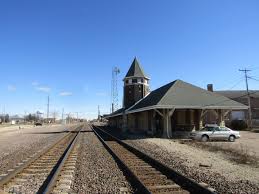
Biodiversity monitoring should also be carried out to assess the long-term impact on local wildlife populations. Wildlife corridors or bridges that were put in place during the construction phase must be assessed to determine their effectiveness. If issues such as decreased wildlife movement are detected, adjustments can be made to improve the design.
By maintaining a comprehensive environmental monitoring plan, the project can ensure that any adverse effects are identified and mitigated quickly, ensuring that the project adheres to sustainability goals throughout its lifespan.
To further reduce the carbon footprint of the Elburn–DeKalb Passenger Rail Project, it is essential that developers adopt green technologies during both the construction and operational phases of the project. The use of renewable energy sources and sustainable construction materials can greatly enhance the project’s overall environmental performance.
One of the most effective ways to reduce the environmental impact of the Elburn–DeKalb Passenger Rail Project is by transitioning to renewable energy sources for powering the trains. The rail project can adopt electric trains powered by renewable energy, such as wind or solar power, significantly reducing its greenhouse gas emissions compared to diesel-powered alternatives. If the rail system is integrated into the broader energy grid, the electricity used can be sourced from a mix of renewable energy projects, reducing the rail system’s carbon footprint.
Further energy efficiency measures, such as the use of regenerative braking systems that capture and store energy during braking, could also be adopted. This energy can be used to power trains or be fed back into the grid, making the rail system even more energy-efficient.
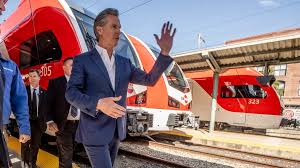
Adopting sustainable construction materials is another effective way to minimize the project’s environmental impact. Materials such as recycled steel, low-carbon concrete, and sustainable timber can significantly reduce the embodied carbon emissions associated with the construction of the rail infrastructure.
Additionally, green building practices such as the installation of rainwater harvesting systems and the use of energy-efficient lighting in stations can further reduce the project’s overall environmental impact. As construction progresses, the team should prioritize the use of materials that are locally sourced to minimize the environmental costs of transportation.
Beyond the railcars themselves, the infrastructure associated with the rail system, such as stations, depots, and maintenance facilities, should also adopt green technologies. Stations can be built to LEED certification standards, incorporating features such as solar panels, green roofs, and high-efficiency HVAC systems. These eco-friendly practices reduce energy consumption, lower operational costs, and make the overall rail system more sustainable.
By implementing the recommendations for enhanced stakeholder collaboration, ongoing environmental monitoring, and the adoption of green technologies, the Elburn–DeKalb Passenger Rail Project can successfully combine the need for modern, efficient transportation with the imperative of environmental responsibility. These strategies will ensure that the rail system not only serves as a sustainable transportation solution for the future but also minimizes its impact on local ecosystems, communities, and the global environment. By integrating these best practices into every phase of the project, the Elburn–DeKalb Passenger Rail Project has the potential to set a new standard for environmentally responsible transportation infrastructure in the U.S.
Ask ChatGPT Conclusion
The Elburn–DeKalb Passenger Rail Project represents a crucial step in the U.S.’s efforts to modernize transportation infrastructure while embracing sustainability. Through rigorous environmental analysis and mitigation strategies, the project can serve as a model for future rail initiatives across the country. As the U.S. works to build more sustainable cities and communities, the success of this project will be a key indicator of how transportation projects can align with broader environmental goals.
The post by: https://globalmasstransit.net